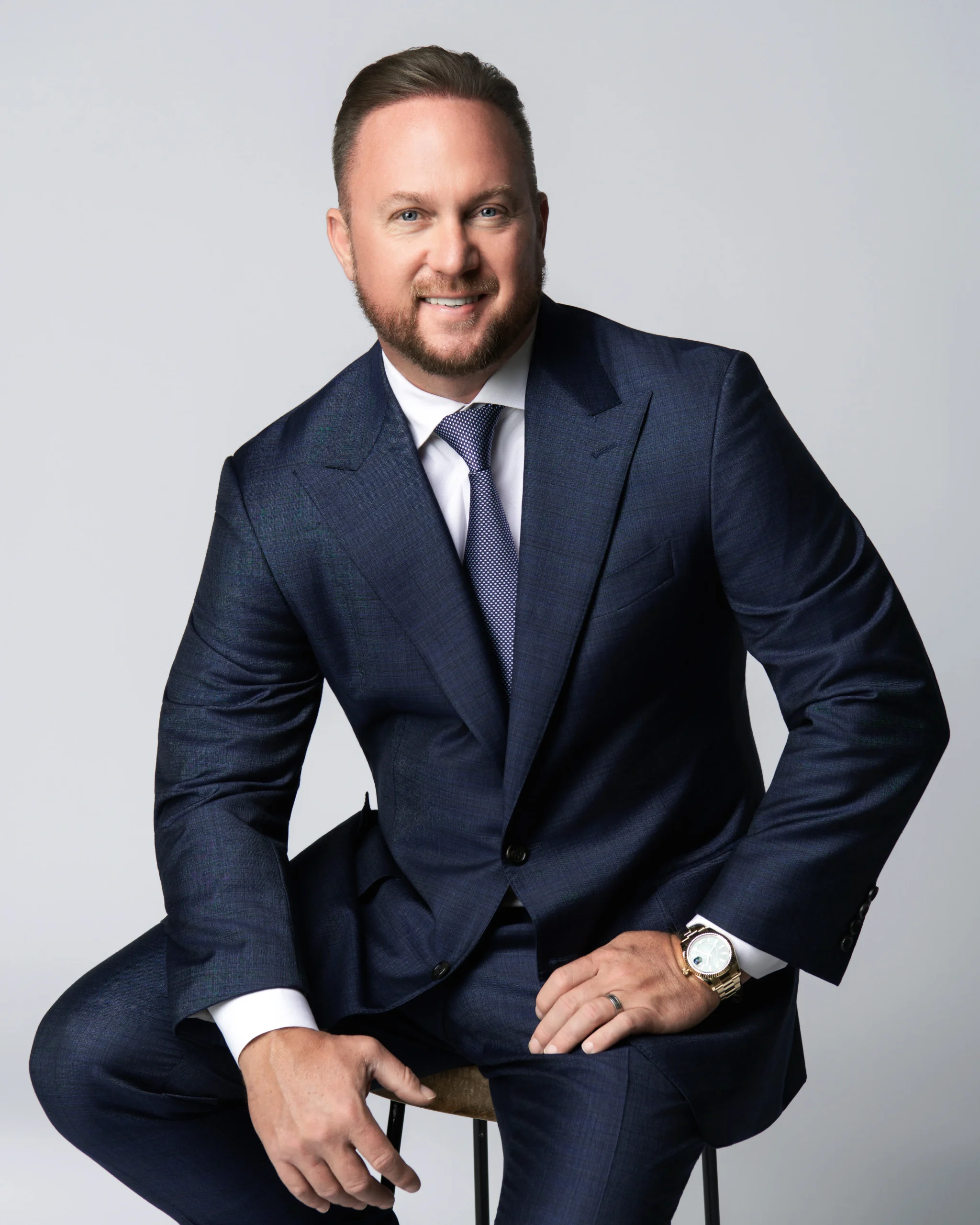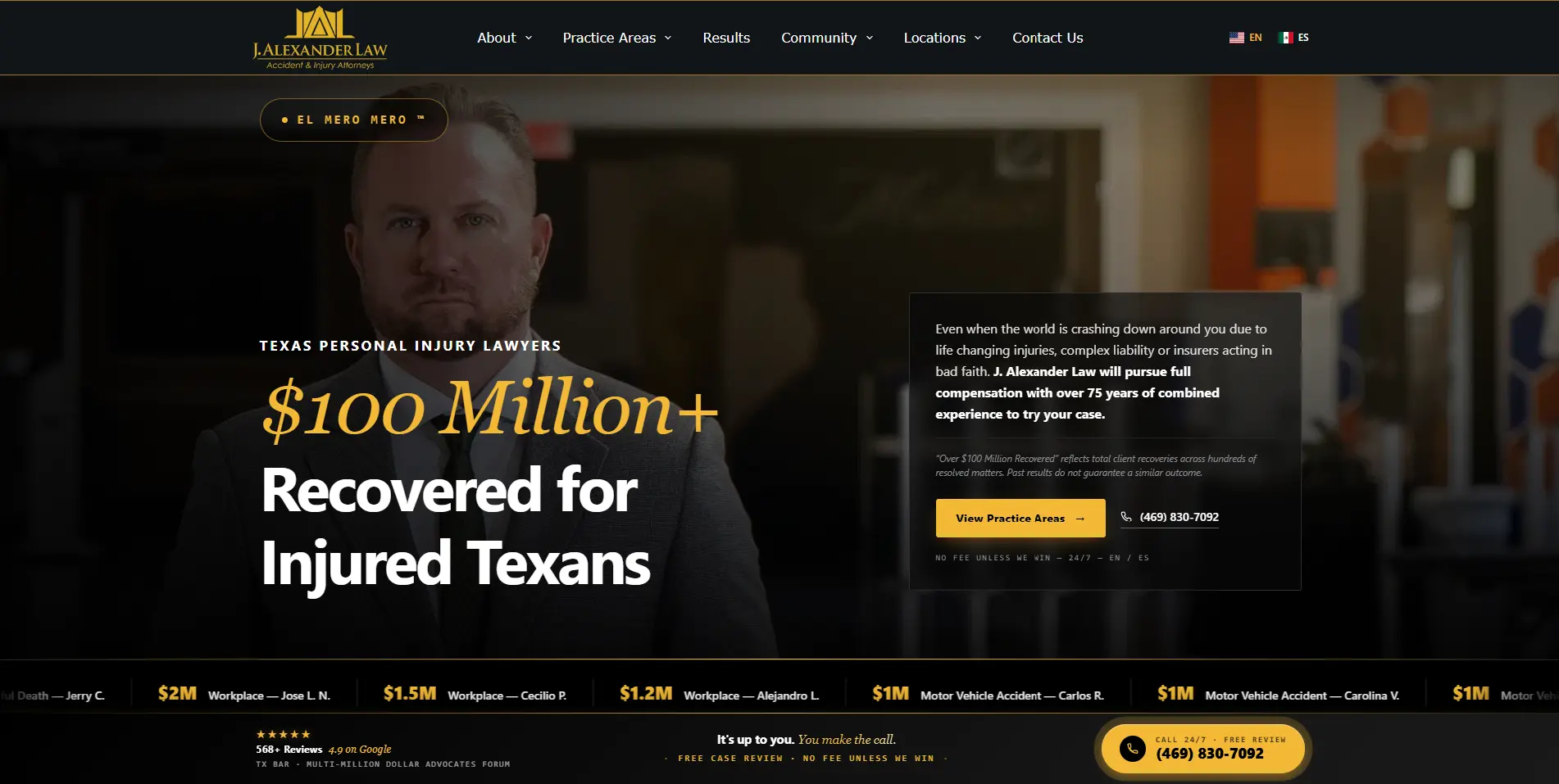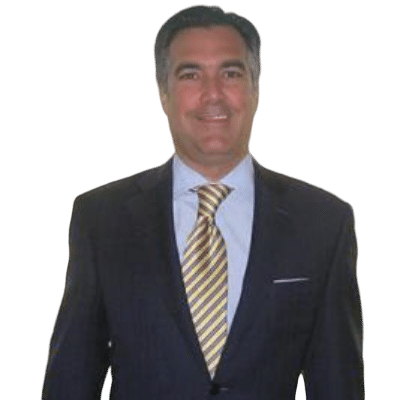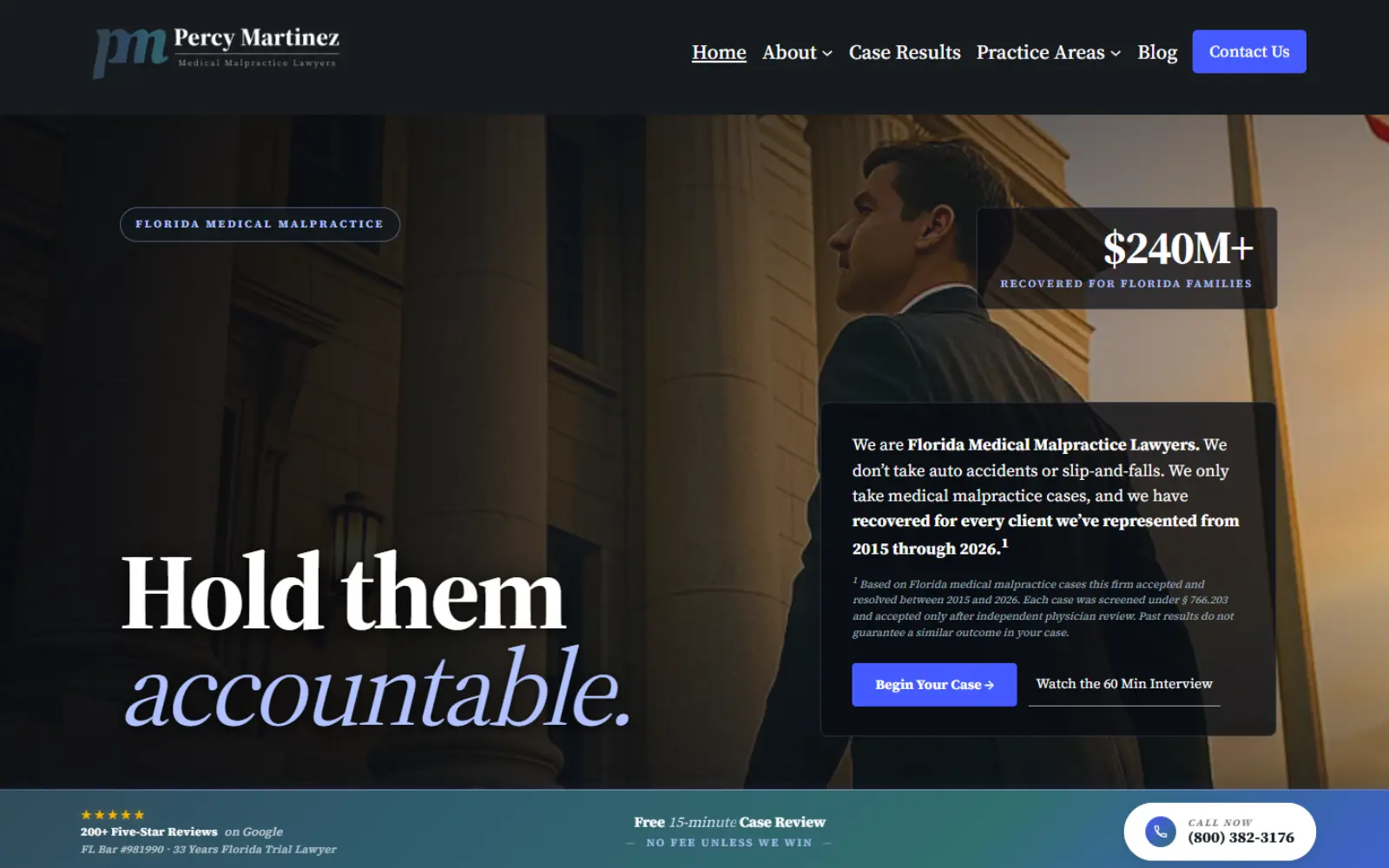







Jorge Argota Jorge Argota · Personal injury marketing · Florida

Florida Personal Injury Marketing.

Started as the marketing person at a Miami med mal firm with a $500 budget while the billboards around us spent $50,000 a month. Ten years later, four Florida cities and ranking above Morgan and Morgan in Hialeah. Not by outspending them. By out-targeting them.

★★★★★ 5.0 Google rating
Live arbitrage math TRACKED
PI case · Hialeah Uber collision
Case settlementtracked to source $185,000
Firm fee33% contingency $61,000
Acquisition costad spend + tracking − $9,200
Net profit kept15¢ per dollar acquisition cost $51,800
Effective return 6.6x
· Ten years of Florida data

Percy Martinez had $500 a month for marketing in 2016 while the billboards next door were spending $50,000. Ten years later, four Florida cities and fifteen-plus PI and med mal firms run on the same model. The four numbers below come from that decade, not from a pitch deck. See the full Percy Martinez case study →

ROI gap
100x
Return per dollar versus billboard firms paying $50K a month.
Percy’s 2016 budget
$500
What Percy Martinez P.A. had to work with the year this started. Not a current Argota rate.
Florida cities
4
Miami, Hialeah, Kendall, Orlando. Each market a separate economy.
Qualification rate
90%
Retainer-ready intake from leads that reach the firm.
Tracking spine built on platforms you own, not lease
· The four pillars

Not “SEO and PPC.” A case acquisition system.

Four frameworks developed over a decade inside a Florida medical malpractice practice. Each one solves a specific failure mode that kills most PI marketing budgets before the second quarter.

01
The math layer

Case acquisition arbitrage.

The math that turns marketing into a system where the firm buys future settlements at a discount. A $200,000 med mal case generates $66,000 in fees. If acquisition costs $9,000, the firm is buying at 14 cents on the dollar. The question stops being “is marketing too expensive” and becomes “how many of these can the firm buy.”

#Target: cost per signed case below 20% of fee revenue
02
The targeting layer

Micro monopolies.

While competitors fight for “Florida lawyer” at $300+ per click, 30 to 50 hyper-targeted landing pages own specific territories like Port Charlotte or Hialeah that the giants do not bother defending. Own forty of these and the volume adds up to a firm competing with billboards without spending billboard money. How the SEO foundation gets built →

#Example: “Hialeah rear end attorney” at $45 CPC vs $300+ for “Miami injury lawyer”
03
The cultural layer

The cultural intent gap.

Florida is over 26% Hispanic but most firms run their English copy through a filter and call it a Spanish campaign. Transcreated Spanish campaigns built on “Protección Familiar” close the trust gap that generic translations create. Cuban in Hialeah, Venezuelan in Doral, Puerto Rican in Kissimmee. Each dialect built from scratch, never run through a filter.

#Reality check: one mistranslated word (“intoxicado”) cost a Florida hospital $71M
04
The measurement layer

The intake-first model.

Every campaign reverse-engineered from the signed retainer backward. If leads do not convert to signed contracts, the campaign gets killed. The firm owns the data, the leads, the ad accounts, and the system from day one. When the engagement ends, the firm keeps all of it. How click-to-signed-case tracking actually works →

#Agency vs. system: monthly PDF -> live cost-per-case dashboard
· Rebound traffic

Prospects searching for alternatives to Morgan & Morgan, right now.

The most common complaint against big PI firms in Florida legal forums is the call center effect. Prospects say they feel like a case number. That frustration becomes search traffic, and it is the highest-intent traffic in the entire funnel because the person has already tried the billboard firm and walked away.

01 · The search signals

“I felt like a case number, not a client.

Reddit and legal forums are full of users asking for alternatives to the giants. Quality over big-name ads. Someone who will actually return a call. A lawyer who remembers the client’s name. That sentiment is the anti-franchise signal. It is people who already bought the billboard firm’s promise and are now actively searching for something else.

  • “alternatives to Morgan and Morgan”
  • “small PI firm near me”
  • “my lawyer won’t return my calls”
  • “law firm that dropped my case”
02 · What rebound traffic looks like

Dropped by a national firm. Won by a local one.

One prospect took a rear-end collision case to a national firm. The firm looked at it, decided it was too small for their model, and dropped it. The client went back to searching, this time for something smaller and closer.

A Hialeah rear-end landing page that says “direct partner access, bilingual intake, local to Hialeah” converts this rebound prospect instantly because the page matches exactly what the prospect just got burned not having.
$65,000
Settlement won by the local firm on the case the national firm walked away from.
· The cultural intent gap

Google Translate is how small mistakes become seven-figure ones.

Over 70% of Miami-Dade speaks a language other than English at home. Most firms run their English copy through a filter and call it a Spanish campaign. Native speakers detect it instantly and skip the firm. The cost of getting this wrong was set in 1980 and it has not gone down.

$71M malpractice settlement

The $71 million translation mistake.

Eighteen-year-old Willie Ramirez told a bilingual hospital staffer he was “intoxicado.” In Cuban Spanish, intoxicado means food poisoning. The staffer translated it as “intoxicated,” meaning a drug overdose. Doctors treated the wrong condition. Willie was left quadriplegic. The malpractice settlement that followed was $71 million for one mistranslated word. The same kind of failure happens on most firms’ Spanish landing pages every day, at a smaller scale.

English concept
Google Translate
Transcreation
Whiplash
Latigazo cervical
Dolor de cuello
Attorney
Abogado
Licenciado
Liability waiver
Renuncia de responsabilidad
Hoja de descargo
Get compensation
Obtenga compensación
Protegemos a su familia
🇨🇺

Cuban Spanish

Little Havana · Hialeah · Miami Gardens

Informal, direct, trust-based. “Licenciado” carries more authority than “abogado.” The Cuban market prioritizes family security over individual compensation, so the framing leads with protection, not payout.

“Protección familiar”
🇻🇪 🇨🇴

Venezuelan / Colombian

Doral · Weston · Kendall

More formal tone. Different idioms for “accident” and “injury.” An “Uber accident Doral” campaign uses Venezuelan phrasing while a Hialeah campaign uses Cuban. The user feels understood before the call gets picked up.

“Defensa profesional”
🇵🇷

Puerto Rican Spanish

Kissimmee · Osceola · Central FL

Distinct vocabulary and tone from South Florida dialects. Most firms copy their Miami Spanish pages instead of building for this community, which is why the Central Florida Hispanic market stays underserved.

“Justicia para tu familia”
· What Florida PI firms say

Partners who stopped spending on billboards.

The arbitrage math either works in a market or it does not. These are the partners running the system right now in Miami, Kendall, Tampa, Orlando, and Jacksonville. No paid placements, no affiliate links. Just attorneys who ran the tracking, saw the numbers, and kept the engagement.

5.0 ★★★★★

Three managing partners running the system across Miami, Kendall, and Orlando. Every testimonial verifiable on the platform listed on the card.

Google · Avvo · LinkedIn
★★★★★

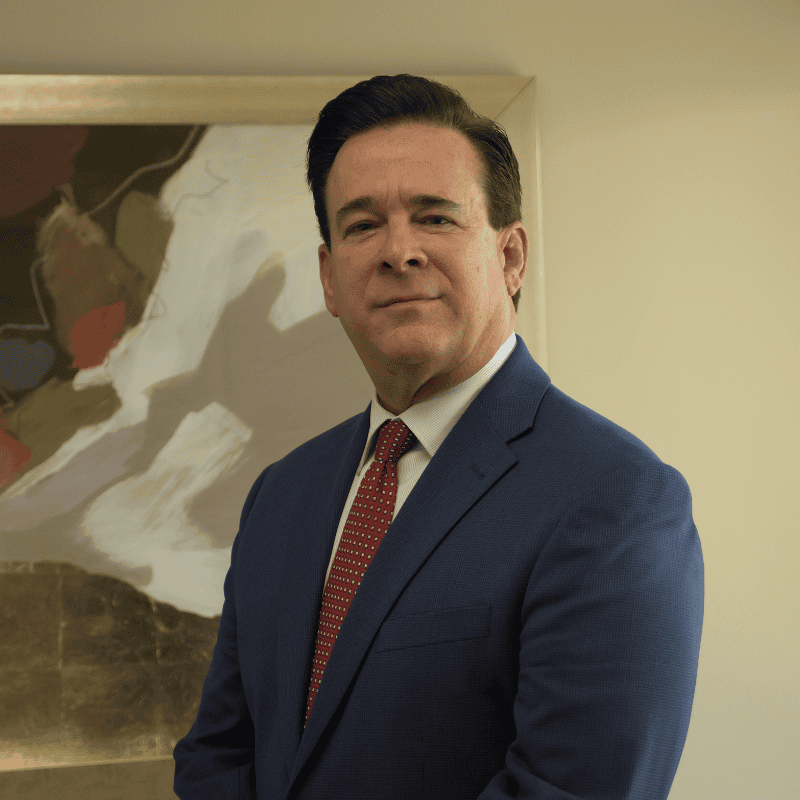
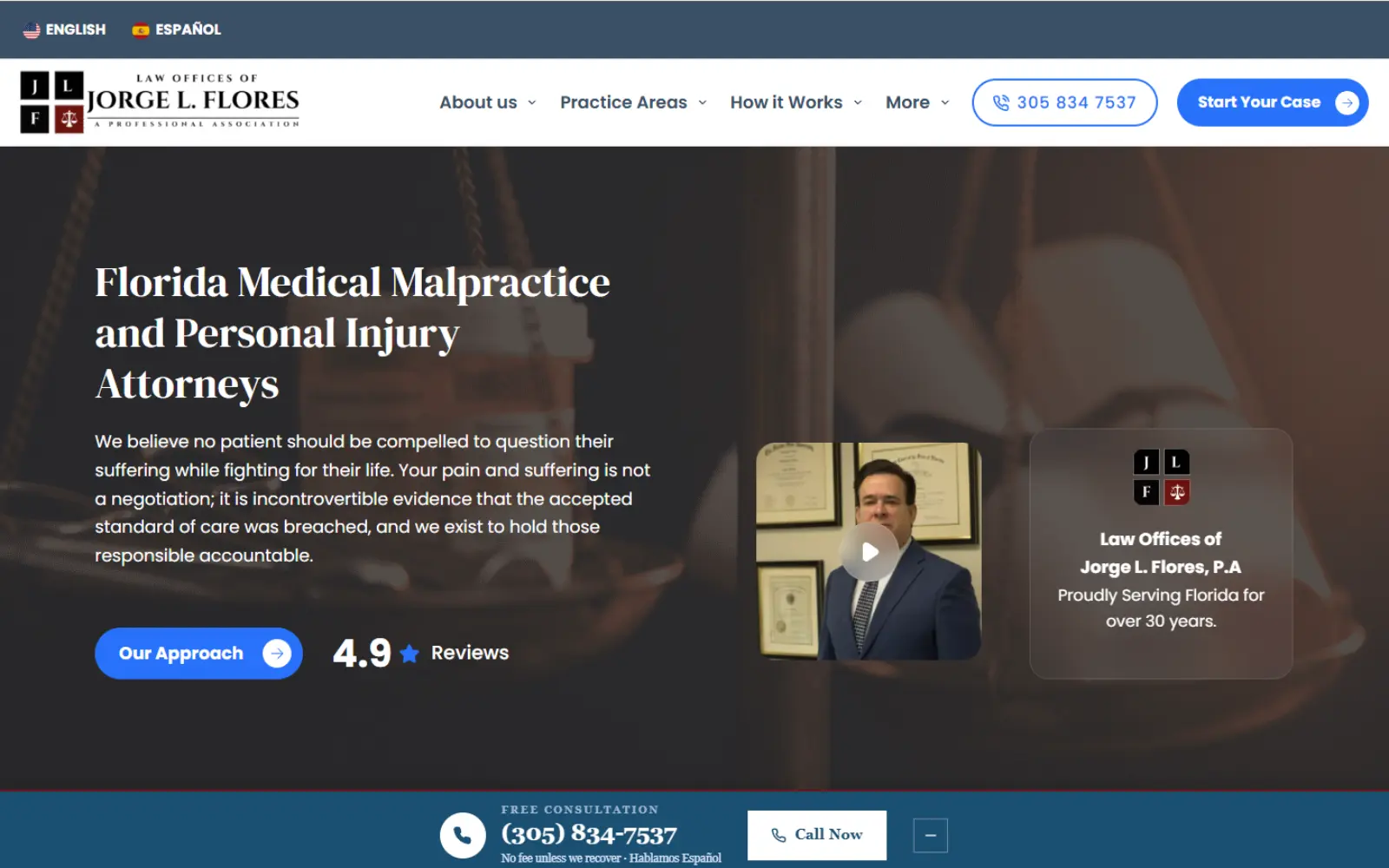
Jorge rebuilt our Kendall Map Pack presence from zero to #1 in five months on a fraction of what the billboard firms spend. The difference is he actually understood the cases. He had sat in on intake calls.

JF
Jorge L. Flores
Managing Partner · Flores Law case study · Kendall
Google
★★★★★

Our Spanish campaigns were hemorrhaging money with Google Translate copy. Jorge rebuilt them in proper Cuban Spanish for Hialeah and Venezuelan for Doral. Cost per lead dropped 50% and the calls actually sign.

PM
Percy Martinez
Founder · Percy Martinez P.A. case study · Miami
Google
★★★★★

Every other agency wanted monthly retainers for “strategy.” Jorge sent us a cost-per-signed-case dashboard the first week. If the numbers did not work he said so. I have never had that conversation with a marketing person before.

DB
Diana Barrios
Partner · Barrios & Associates, Orlando
LinkedIn
· Insights for PI firms

Six pieces from the field notes.

Operator-level reading. The way the math actually breaks down inside a working PI firm. Pulled from a decade of running this model on real Florida cases. All insights →

· AI search visibility

Clients now ask ChatGPT and Perplexity before they open Google.

Traditional SEO fights for a position on a list. Generative engine optimization fights to be the cited answer inside the AI response. For PI firms the gap opens fast because most are still publishing generic “free consultation” blog posts that AI systems cannot retrieve. More on AI search optimization for lawyers →

Layer 01 · Entity authority

The SameAs bridge.

Website, Florida Bar profile, Avvo listing, and news mentions are scattered across the internet as separate fragments. SameAs schema markup connects them into one verified entity. Without this bridge, AI resolves the firm name to guesswork instead of a confidence-scored citation.

Schema snippet “sameAs”: [
  “https://floridabar.org/attorney/…”,
  “https://linkedin.com/in/percy-martinez”,
  “https://avvo.com/attorneys/…”
]
Layer 02 · Citation velocity

Extractable data, not blog posts.

AI does not read paragraphs. It extracts data points. Content structured as extractable facts becomes the logic hub that Perplexity and ChatGPT cite over vague blog posts from content mills.

Extractable facts Statute of limitations: 4 years · Fla. Stat. § 95.11
Comparative fault: modified · Fla. Stat. § 768.81
Layer 03 · Settlement logic hubs

Hub pages, not consultation noise.

Instead of generic “car accident” pages, content built around “How the $2M settlement was calculated in [county]” case studies. This trains the algorithm to associate the firm’s entity with high-value outcomes instead of the generic “free consultation” noise every other firm publishes.

Hub example Page title: “How a $1.8M Miami birth injury verdict was calculated”
· Pricing transparency

No flat number on this page. The arbitrage math depends on the market.

The number depends on the market, the case type mix, and how aggressive the growth target is. Below are the ranges where the math actually works, and the three questions to ask the current agency before deciding anything. Full pricing breakdown →

Tier 01 · Small firm
Foundation
1 to 5 attorneys
$5K to $15K / month

Strategy, content, and SEO. Ad spend is separate and managed transparently in the firm’s own accounts. Building the micro monopoly foundation. Owning a suburb, a set of accident types, and the organic content that compounds over time. Expect six to twelve months before organic produces cases at scale, with early wins from Local Service Ads in the first 90 days.

Ad spend always separate. Always in accounts the firm owns.

Tier 02 · Mid-size firm
Full system
6 to 20 attorneys
$15K to $40K+ / month

The full system. Organic search at scale across all case types, content built for AI search visibility, dedicated landing pages for every micro monopoly, and the tracking spine connecting every channel to signed retainers. Multi-market coverage across South Florida, Central Florida, and the Gulf Coast with zone-specific strategy.

Ad spend always separate. Tracking spine included.

Three questions for the current agency before switching.

  1. What is my cost per signed case by case type for the last six months? If they cannot answer, they do not have the tracking and their reports are giving the firm clicks, not cases.
  2. Do I own my website, my ad accounts, and my content? If any answer is no, that is a problem. The firm is renting its own marketing infrastructure and loses it the day the engagement ends.
  3. Show me the real links you have built in the last 90 days. If the answer is “proprietary network,” that usually means fake sites Google will penalize once it catches them. Ask to see the domains.
· Personal injury marketing FAQ

Before you switch agencies.

Six questions Florida PI firms tend to ask before signing on. Anything missing, call 941 626 9198.

  • It depends on the market and the case type mix. Small firms typically invest $5,000 to $15,000 per month for strategy and SEO with ad spend separate and in accounts the firm owns. The smarter metric is cost per acquisition. If a med mal case generates $200,000 in fees and costs $18,000 to acquire, that is a 91% margin. Monthly spend is the wrong unit. Cost per signed case is the right one.

    Related: How to set a law firm marketing budget →
  • A micro monopoly is a dedicated landing page targeting a specific accident type in a specific area. Instead of competing for Miami personal injury lawyer at $300 plus per click, you build a page for Hialeah rear end collision attorney at $45 to $90 per click with a conversion rate three to four times higher. Own 30 to 50 of these and the total case volume rivals billboard firms without the billboard budget.

  • Most firms use Google Translate, which produces text that reads like a legal textbook. Native speakers detect it immediately and distrust the firm. Effective Spanish campaigns require transcreation built from scratch in the dialect of the target community. Cuban in Miami, Venezuelan in Doral, Puerto Rican in Kissimmee. Different vocabulary, different trust cues, different framing around family versus individual compensation.

  • Under five minutes. Google Ads retargeting is restricted on injury terms, so the page has to convert on the first visit because the visitor cannot be chased with follow-up ads. Conversion rate drops sharply after a five minute delay, and a meaningful share of leads never respond at all. Automated SMS within 60 seconds plus a human callback under five minutes is the minimum viable intake speed for PI in Florida.

    Related: How intake speed kills marketing ROI →
  • Yes. Every engagement is structured so the firm owns the website, the ad accounts, the content, the tracking data, and the case source history from day one. When the engagement ends, the firm keeps all of it. This is the opposite of leased-platform agencies where the firm loses its marketing infrastructure the day it stops paying. Ownership is non-negotiable.

    Related: The no lock-in contract philosophy →
  • Not head-to-head on Florida personal injury lawyer. That is financial suicide for any firm not spending nine figures a year. The win comes from micro monopolies the giants do not bother defending. Specific suburbs, specific accident types, specific Spanish-speaking communities. The same approach worked in Hialeah on a $500 seed budget. The playbook transfers to any Florida market where the giants are casting a generic net.

· Run the arbitrage math

Send your case mix and your Florida market.

Practice areas, Florida market, and current spend level. The arbitrage math gets run for the firm’s actual situation. If the numbers work, the response covers what gets built and what it costs. If the numbers do not work at the budget level, that gets said plainly. Turning down work that does not produce cases has not changed since the $500 budget days.

  • Free arbitrage report. Returned within 48 hours. Cost per signed case projected against the firm’s actual market and case mix.
  • Florida Bar 4-7 reviewed. Compliance is built into every campaign before it runs. No engagement should expose a firm’s bar number.
  • 100% client-owned assets. Domain, website, code, ad accounts, content, tracking data. The firm keeps everything if the engagement ends.

Numbers within 48 hours · Florida Bar Rule 4-7 compliant · 100% client-owned assets