

 PPC advertising agency · Law firms in Florida
Lehigh Acres Law Firm PPC for a Fast Growing Inland Market.
Argota Marketing manages Google Ads and Local Service Ads for Lehigh Acres and Lee County law firms, with bilingual builds on consumer practices, Florida Bar 4-7 review on every ad template, and a shared dashboard that ties paid clicks to signed cases. One firm per practice area. Audit before any retainer. Managed from our Florida strategy desk, customized to East Lee County ad auctions.
How Lehigh Acres law firm PPC navigates Lee County growth zone intake, bilingual demand, and Fort Myers overflow demand.
Keywords, geo, and LSAs.
The build starts with picking practices and scoping keywords. Most Lee County firms launch with auto, immigration, and family as the opening three because those produce the steadiest signed cases in this market. Spanish and English keyword sets get built together, not in sequence. Long tail and matter specific terms carry the opening budget while broader head terms wait for conversion data to support them.
Ad copy to intake criteria.
Then the ad copy and intake scripts get written together in both languages. The goal is to make sure unqualified callers scroll past and qualified callers pick up. Auto ads name the injury type. Immigration ads name the specific matter category. Family law ads split contested intent from research stage queries. Florida Bar 4-7 review clears every template in both languages before any ad goes live.
Screen unqualified potential clients.
After that, filters get installed to block calls the firm cannot retain. Three layers run in parallel: keyword negatives at the ad level, qualification logic on the contact form, and routing rules on the live call. Standard filters block pro bono inquiries, legal aid searches, small claims questions, and price shoppers. On Lee County accounts an additional filter handles matters that belong with counsel in Naples or Charlotte County instead of Fort Myers.
Calls scored, cases attributed.
Once filters are running, the reporting layer goes up. Every paid call ends in either a signed case or a recorded reason it did not. On a hub account the dashboard breaks signed cases down by practice, by language, and by city so the firm sees whether Lehigh Acres, Fort Myers, or Cape Coral is producing the volume. Campaigns keep their budget as long as cost per signed case stays inside the audit ranges.
Budget, then expansion.
Finally, expansion gets governed. Nothing new gets added until the first practice is signing cases at a stable cost. Sideways expansion adds a second practice on the same account, usually workers comp or premises onto an auto and immigration build. Outward expansion adds Collier County or Charlotte County to the hub once Lee County is producing reliably, with shared reporting across the wider footprint.
- Audit before quoting. The existing setup, intake, and ad creative are audited first, before budget enters the conversation.
- Score the intake. Pickup speed and script quality are scored first, because they decide whether the ad budget produces retainers.
- Split LSAs and Search. Each channel gets its own budget and rules, split by practice area instead of a default even share.
- Cut curiosity terms. Expensive curiosity terms get cut before expansion terms are added, since the negative list saves more than it spends.
- Report on signed. The report is built on signed retainers and practice area cost per case, not on raw lead counts.
The mistake on most Lee County paid search accounts is targeting Lehigh Acres alone. Case volume inside a single suburban zip code radius rarely supports clean signed case data, and the account ends up paying for the same impressions twice when Fort Myers or Cape Coral campaigns run separately. The hub build solves both problems at once.
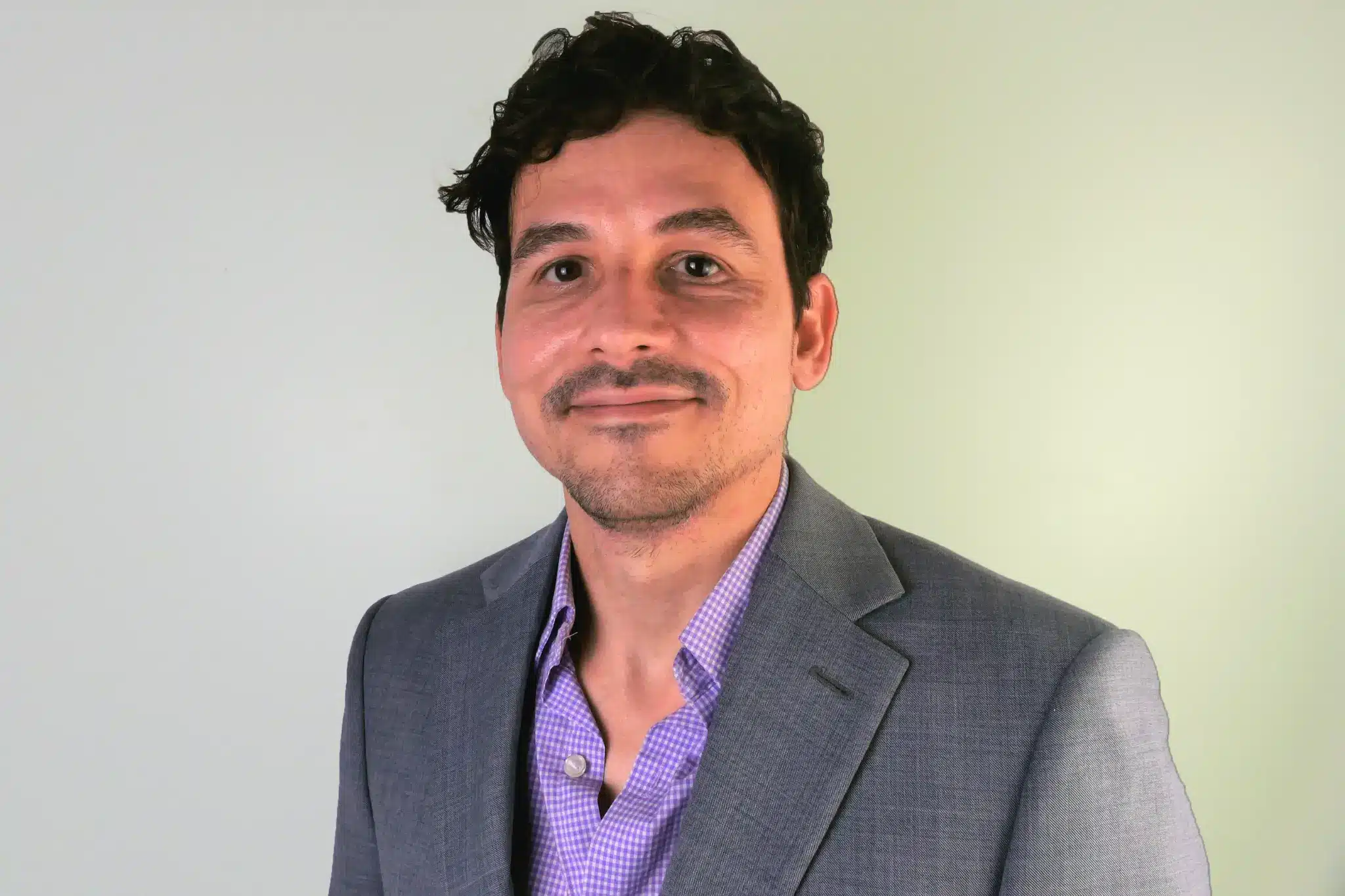
Jorge Argota
Founder · Argota Marketing
How a fast growing inland market changes the paid search math
Five things that change how paid search has to be run in this specific market.
Lehigh Acres legal CPCs run low for Florida, letting an East Lee County firm test broadly and exit the learning phase on a modest budget. The market is one of the fastest growing and most bilingual inland communities in Southwest Florida, and that combination shapes the account more than anything else.
Rapid population growth is the defining fact. Lehigh Acres has expanded quickly, bringing new residents who search differently from established communities, and the account anticipates rising search volume rather than bidding to last year’s levels. The landing pages are written to meet that growth driven demand directly rather than recycling generic metro copy.
A large bilingual population makes a native Spanish ad layer worthwhile. Parallel English and Spanish campaigns, with Spanish editorial review rather than machine translation, capture intent an English only account never sees, and the account weights the language layer by the areas where it actually converts.
Geo strategy weights Lehigh Acres itself while accounting for Fort Myers overflow to the west, where a share of demand moves between the two markets. The account bids the Fort Myers corridor deliberately where the firm serves it. Hurricane litigation cycles add a seasonal layer, with property and insurance dispute searches climbing after a named storm makes landfall on the Southwest Florida coast.
Reporting stays anchored to signed retainers and practice area cost per case. In a fast growing bilingual market, lead volume can rise simply because of population growth and the added language layer while signed case rate stays flat. The dashboard reports by practice area, by language, and by geography so the firm tells genuine growth in retained work from mere growth in clicks.
Built around the practice
area, not against it.
Below is how each practice runs on a Lehigh Acres or Lee County account. Auto, immigration, and family law produce the most signed cases in this market, so they come first. Each card explains what the campaign does and what the firm gets on the reporting side.
Auto PI built around I-75 and the Lee County corridors.
Auto volume in Lee County pulls from I-75, Lee Boulevard, Palm Beach Boulevard, Daniels Parkway, and the seasonal traffic spike from late November through April. Severe injury and wrongful death sit on separate ad groups so case complexity shapes the landing page, not click volume. LSAs lead on consumer auto queries. Spanish and English campaigns run in parallel from launch.
Immigration work runs in Spanish as the primary language.
Family petitions, adjustment of status, naturalization, and removal defense produce most of the retained immigration matters in Lee County. A real share of inquiries arrive in Spanish from Mexican, Central American, and Cuban American callers, so the Spanish campaign runs as the lead build with English alongside. Ad copy names the specific matter category instead of generic head terms. Intake handles the first contact in Spanish.
Family law sized for a family dense bilingual market.
Divorce, custody, support, and post judgment matters carry the family law book in Lee County. Year round demand is steady because the working family demographic does not move with the season. Ad copy separates contested matters from research stage queries. Intake routes urgent custody on a faster path. Both languages carry equal weight on the campaigns and the intake side.
Workers comp built for the working class demographic.
Construction injuries, agricultural matters, hospitality and service industry claims, and repetitive stress cases shape the workers comp book in Lee County. The campaign runs in both languages because a significant share of injured workers are Spanish speaking. Intake handles employer disputes and statute clock questions on the first call.
Premises kept separate from the auto book.
Slip and fall, inadequate security, and building code matters run on their own campaign. Residential, retail, and small commercial venues across Lee County shape the volume. Premises picks up during the winter season alongside auto when the visitor population swells. Reporting tracks signed case rate by premises type.
Criminal defense weighted toward response time.
DUI, drug possession, traffic, and domestic matters carry the consumer book in Lee County. Federal work routes to a Fort Myers or downtown office. Calls cluster overnight and on weekends, and the first firm to answer usually retains the matter. LSAs lead because Google delivers the call pre qualified. Spanish intake is mandatory because the consumer demographic demands it.
Illustrative framework based on aggregate Southwest Florida engagements. Numbers shown are representative of Lehigh Acres market economics, not a specific client account. Real account dashboards are confidential and shared with prospective firms under NDA during the audit conversation.
Public fees, scaled to media spend.
Fees are public so the firm can do the math before any proposal lands. The same formula applies whether the spend is $3K on a single practice in Lehigh Acres or $25K on a Lee County hub account covering three cities together.
- Single practice area campaign
- Google Search and LSA setup
- Weekly call review
- Monthly reporting and budget memo
Best for solo attorneys focused on one practice area in Lee County. The retainer keeps real optimization on the account when media budgets are too small for big firm management fees to make sense.
- Multi practice campaign architecture
- LSA vs Search budget split
- Negative keyword and intake screening
- Landing page testing
- Biweekly intake QA and call scoring
- Shared signed case dashboard
Best for firms running two or three practices together. In Lee County that usually means auto alongside immigration, family, or workers compensation, with Spanish and English running as parallel campaigns.
- Strategic work outweighs build time
- LSA vs Search reallocation cycles
- Landing page testing on volume
- Multi market expansion planning
- Intake QA on full call sample
Best for firms running a Lee County hub covering Lehigh Acres, Fort Myers, and Cape Coral on one campaign. At this tier the work is mostly strategy, budget allocation between cities, and reporting that breaks signed cases out by location.
Built from inside a law firm, not an agency office.
Jorge Argota ran marketing inside Percy Martinez P.A. in Miami for a decade. The work started on intake calls and case development and ended up running the firm’s entire marketing operation, which grew from a $500 monthly starting budget into a multi metro Florida account. The Cuban American bilingual background informs how every account gets calibrated for Hispanic markets. The desk questions stayed the same on the agency side: which ads produce signed cases, when LSAs beat Search, and what intake response time costs the firm in retainers.
 University of Miami BBA
 Google Ads certified
Six questions Lehigh Acres firms raise on the audit call.
Straight answers, not sales scripts. Deeper math lives in supporting pieces like SEO vs PPC ROI and formatting practice area pages for AI citation.
Most Lee County firms do not run Lehigh Acres as a standalone PPC account. Case volume inside the Lehigh Acres zip codes alone usually does not produce enough monthly signed cases to give the platform clean data to optimize against, especially when working class case values mean each individual matter contributes less to the math than it would in an affluent market. The standard build is a Lee County hub campaign covering Lehigh Acres, Fort Myers, and Cape Coral on shared infrastructure, with the dashboard breaking out signed retainers by city so the firm sees exactly where the matters originate. A firm with a physical Lehigh Acres office can run a tighter standalone geo as a secondary campaign next to the hub.
Lehigh Acres has significant Mexican, Central American, and Cuban American communities, and Spanish only callers represent a meaningful share of consumer inquiries on immigration, workers compensation, family law, and auto. The intake side has to take those calls live in Spanish from the first ring; transfers and callbacks usually lose the matter. During the audit, intake gets reviewed in three places: who answers Spanish calls during peak windows, what happens to calls that arrive in Spanish during English only coverage hours, and how the firm logs calls where the caller switched languages mid conversation. Ads run bilingual on consumer practices so the firm is not buying English clicks from Spanish speaking searchers, and the dashboard reports signed case rate by language on every practice.
Google flags happen and they cost money when they do. The standard response is to pause the affected ad, rebuild the template inside Florida Bar 4-7 review, and relaunch within 48 hours. If the flag is on a policy ground rather than a Bar issue, the appeal goes through Google with the original Bar review documentation attached, which usually resolves the flag within a few business days. The reason every template goes through written Florida Bar 4-7 review before launch is to make these situations rare and to make the appeal documentation available the first time the question gets asked.
Call tracking handles the phone side cleanly. Walk ins are harder. The standard fix is two part. First, the intake form asks every new client how they heard about the firm, with a structured set of options that include Google search, Google Maps, LSA call, referral, and other. Second, the firm tags every signed retainer in its case management system with the originating source so the dashboard can match retainers back to campaigns even when the first contact was in person. Walk in attribution is never perfect, but the two part intake workflow usually captures 80 to 90 percent of the source data.
Working class case values in Lee County run lower than affluent South Florida or Southwest Florida coastal markets, which changes what the math has to deliver per click. The decision on any keyword still comes down to signed case value divided by cost per signed case, but in this market the cost per signed case has to be tighter because matter values are smaller. The audit produces ranges by practice based on the firm’s actual retainer history, not generic benchmarks. Campaigns that drift outside those ranges get rebuilt or budget gets reallocated, usually within 60 days of launch. The management fee covers the work regardless; what changes if a campaign is underperforming is the structure of the next 30 days, not the billing.
Lee County has a real winter season effect. Population swells from late November through April with seasonal residents and visitors, which lifts auto PI and premises volume noticeably during those months. Family law and immigration run on resident demand and stay relatively steady year round. The build adjusts bidding upward on the seasonal practices during peak months and pulls back during summer, with the reporting tracking the swing so the firm can plan staffing accordingly. Workers compensation does not show much seasonality because it tracks the working population, which is local.
The audit comes
before any proposal.
The audit covers two situations. A firm already running paid search that is not signing enough cases for what it spends. Or a firm getting ready to start and wants the budget sized honestly before committing. This page covers Lehigh Acres and Lee County.
- Free Lehigh Acres PPC audit. A working session covering the current Google Ads or LSA account, intake flow in both languages, LSA eligibility, and what each signed case is actually costing the firm right now. Florida Bar 4-7 compliance gets reviewed at the ad template level.
- Honest read on the math. The audit will say directly whether the proposed budget can produce signed cases at a cost the firm can defend. If it can, the roadmap covers which keywords to bid on, where to target, what the ads should say, and how to split budget between LSAs and Search.
Free audit · Live dashboard sample on request · Florida Bar 4-7 cleared · Lehigh Acres and Lee County