

 PPC advertising agency · Fontana, California
Fontana Law Firm PPC for an Inland Empire Logistics Hub.
Most Fontana firms bid on everything and hope. But the cases here cluster around specific warehouse and traffic patterns. We aim the budget where the injury and workers comp cases actually are and report on signed clients in San Bernardino County.
Marketing performance only, not legal counsel or guarantees of case outcomes.
How a Fontana law firm PPC account is built around signed cases
We start by looking at your current account
Before we change anything, we pull everything from your existing ads: the search terms people typed, which keywords spent the most, how each area and device performed, your intake notes, and which cases actually got signed. We read all of it first so we know your budget is going to the searches that convert in a logistics heavy market before we touch a thing.
We decide where your budget should go
You have one budget for paid ads, and the job is splitting it between Google Search ads and Local Service Ads the right way. For a Fontana firm with heavy injury and workers comp demand, we set that split per practice area, based on your numbers.
We make the landing page match the ad
When someone clicks your ad, the page they land on has to say what the ad promised. We build pages that show what you handle right at the top, match the ad word for word, and load fast for the Fontana searchers, many of them bilingual warehouse workers.
We check how your calls are handled
Most firms do not realize how many good calls they lose until they hear their own recordings. a slow callback on a strong case is expensive, so we measure both halves.
We report on signed cases, not just clicks
Every month you get one clear number at the top: what it cost to sign a new client, and how that number has moved over the last six months. Below that, the clicks, calls, and form fills are broken out by campaign. Because Fontana demand leans toward injury, workers comp, and commercial vehicle work, that report makes it obvious which parts to spend more on and which to cut.
- Audit before quoting. We look at what is already running and how calls are handled before quoting a figure.
- Score the intake. How fast calls are answered is measured before the budget grows, since slow callbacks lose cases.
- Split LSAs and Search. Search and LSAs are managed apart, divided by practice area.
- Cut curiosity terms. Searches that browse rather than hire are trimmed, so the budget reaches ready clients.
- Report on signed. Reporting centers on signed retainers and what each case cost, not how many leads came in.
Every firm in a warehouse town has to decide how to spend a marketing budget against heavy injury and workers comp demand. The easy move is to bid on everything and hope. But in Fontana the cases cluster around very specific work and traffic patterns, and an account that ignores that just pays to be everywhere at once.
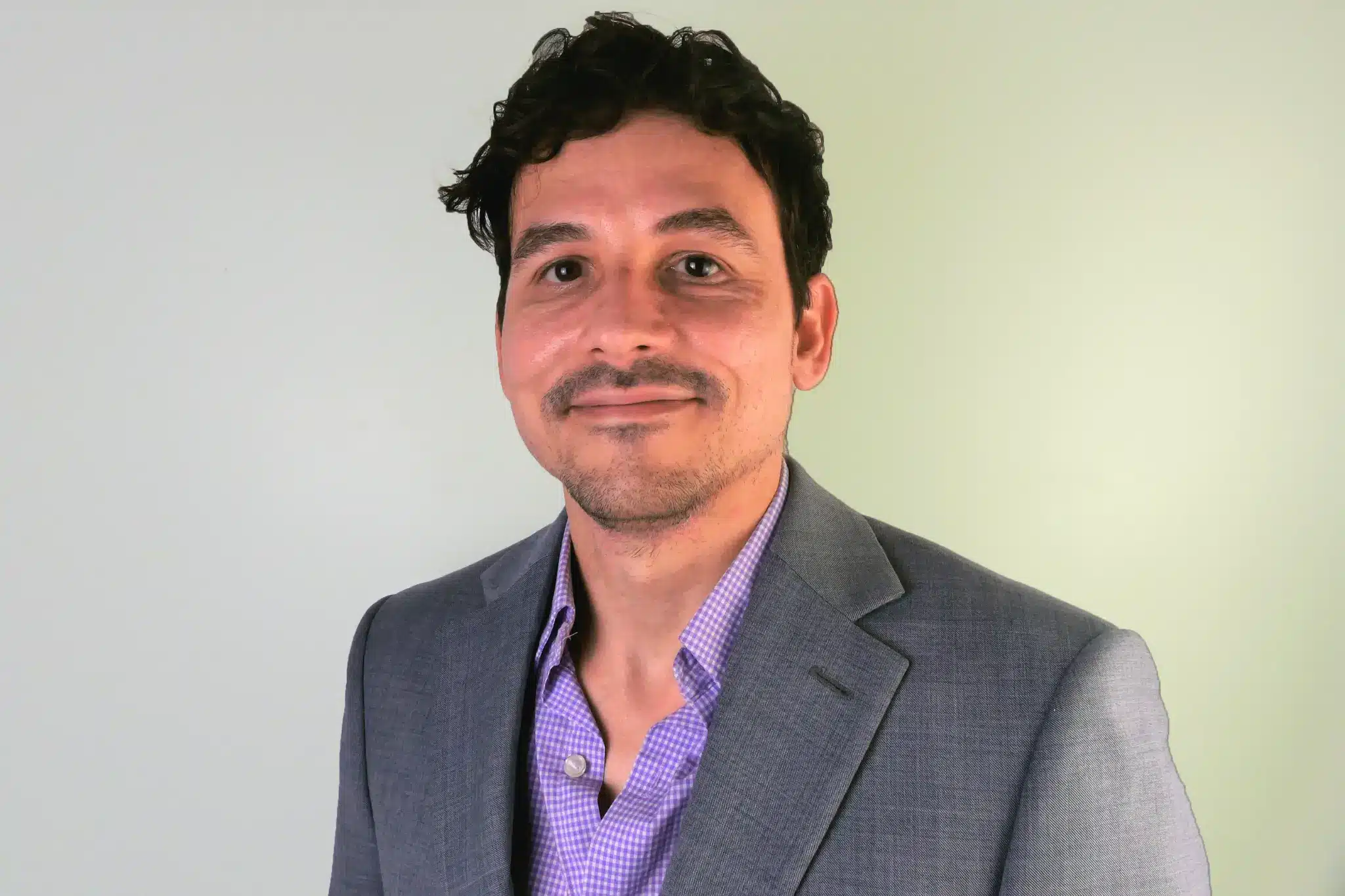
Jorge Argota
Founder · Argota Marketing
What a logistics and warehouse economy changes about paid search
The full picture of this market, tab by tab, so you can jump to what matters to your firm.
Fontana click costs sit in the workable Inland Empire middle, below the coastal markets but real enough that a loose account wastes money. The budget can compete without LA prices, but the demand here is shaped heavily by one thing, the logistics economy, and an account that does not account for that misses where the cases actually are. With dozens of firms bidding the same Inland Empire injury terms, the edge comes from pages written for warehouse and trucking workers, not from outspending everyone on generic keywords.
Google Ads anchors the account, placing the firm at the top of search the moment someone looks for a lawyer, which in a mid cost Inland Empire auction is where most clients across the I-10, I-15, and SR-210 freight hub begin their search. Local Service Ads run above the standard ads on a pay per lead basis with the Google Screened badge, which helps a firm with a strong review profile win the high intent calls those placements generate. Bing, through Microsoft Advertising, picks up an older and frequently wealthier set of searchers on office computers at lower click prices than Google, which quietly adds cases the primary campaign never sees. Social media ads on Facebook and Instagram do not catch active legal searches, but they keep the firm visible to the warehouse and logistics communities so the name is already familiar when a need arises. Each one is bid and tracked independently, since lumping a high intent search click in with a social impression hides the truth about which channel is signing cases and which is just spending. The large Spanish speaking population here means bilingual ads and intake convert meaningfully better, and the warehouse workforce searches heavily on mobile during shift changes. A large share of local searches happen on mobile during warehouse shift changes, so both the ad schedule and the page speed are tuned for workers searching on phones.
Fontana is a major warehouse and logistics hub, with distribution centers, trucking, and a large blue collar, heavily bilingual workforce. That drives strong personal injury, workers compensation, and commercial vehicle demand, more than business or estate work, and Spanish language ads and pages often convert better given the population. Within the city, Sierra Avenue and Foothill Boulevard, the old Route 66 alignment, carry dense local traffic on top of the freeway flow, producing a steady stream of surface street collisions. The Auto Club Speedway site and the surrounding redevelopment have been reshaping the south end of the city, shifting where new traffic and construction related incidents cluster.
The city sits at the crossroads of the 10, the 15, and the 210, with constant freight and commuter traffic feeding a steady flow of vehicle and workplace injury cases. The firm’s catchment usually reaches into the nearby San Bernardino County cities, so we weight the budget toward the communities you serve. The interchange where I-10 meets I-15 on the south edge of the city is one of the busiest freight crossings in the country, and the truck volume there drives a distinctive commercial vehicle caseload.
Injury volume in Fontana concentrates at the crossing of I-10, I-15, and SR-210, one of the busiest freight interchanges in the country, where warehouse and trucking traffic produces heavy vehicle and commercial accident volume. The arterials serving the distribution centers add to it. A campaign weights these corridors and the nearby San Bernardino County cities rather than bidding the whole region. San Bernardino County matters are heard in the courthouses in San Bernardino and Rancho Cucamonga depending on district, and the county is the largest in the country by area, so venue and travel distance genuinely shape where a firm files. Beyond the freight corridors, the Sierra Lakes and north Fontana neighborhoods have grown into established residential areas, adding family law and homeowner injury demand to the warehouse driven base.
Fontana matters are filed in the San Bernardino County Superior Court, with the main civil courthouse in San Bernardino handling much of the injury and workers compensation caseload. A firm advertising across the Inland Empire should match its ad geography to the communities it serves around the major freeway corridors. The economy is built on warehousing and distribution, with the Kaiser steel legacy giving way to logistics giants whose fulfillment centers employ much of the local workforce, which drives heavy workers compensation and vehicle injury demand. Round the clock distribution work means a meaningful share of searches happen overnight and on weekends, so the ad schedule is built for a workforce that is not on a standard daytime shift. The Kaiser Permanente medical complex and the surrounding healthcare employers add a steady professional layer to a workforce otherwise dominated by warehousing and transport, which broadens the practice mix beyond pure injury work.
Fontana is a major warehouse and logistics hub, with distribution centers, trucking, and a large blue collar, heavily bilingual workforce. That drives strong personal injury, workers compensation, and commercial vehicle demand, and Spanish language ads and pages often convert better given the population. Steel and manufacturing legacy injuries and the heavy forklift and loading dock claims from the warehouses tend to outvalue routine collisions, supporting a focused bid on those specific terms. Because a serious warehouse or commercial truck injury can mean months out of work, those claims carry enough value to justify their own focused campaign rather than sharing a budget with minor collisions. Many warehouse injuries here involve temporary staffing agency workers, which raises questions about which employer is responsible, and the intake screens for that from the first call.
Personal injury, workers compensation, and commercial vehicle work carry the most paid search volume in Fontana, with Inland Empire click costs below the coastal markets. These figures are representative of the Fontana market, not a specific client account, and the high injury volume rewards tight negative keyword work to keep the cost per signed case down. Personal injury clicks in Fontana run below the coastal markets, approximately fifty to ninety dollars for competitive accident terms, with workers compensation and commercial vehicle terms in a similar range. These figures are approximate and representative of the Fontana market, not a specific client account, and the high injury volume rewards disciplined negative keyword work. Demand stays steady year round with the constant freight movement, though the summer heat drives a measurable rise in vehicle breakdowns and related collisions on the freeways. The late year shipping surge drives more trucks and longer shifts through the freight corridors, raising collision and injury volume from autumn into the holidays. School zones and the residential growth in north Fontana add a daytime commuter and pedestrian pattern that sits alongside the round the clock freight movement on the freeways.
Demand is steady year round, driven by the freight and commute traffic on the 10 and 15 rather than seasonal swings. We schedule the budget around when people actually search instead of spreading it evenly across the day. Separating signed cases by whether they came from a freeway crash or a workplace injury shows which campaign is really paying, since the two convert on very different timelines.
Reporting focuses on signed clients and cost per case by practice area. In a high volume injury market the lead count can look strong while signed cases lag, so we show what each practice area costs to sign, which is the number that matters. A first step would be a dedicated commercial vehicle and warehouse injury campaign built around the I-10 and I-15 freight corridor, kept separate from the standard car accident work because the case values and the search behavior differ. A practical early move is to build separate campaigns for freeway crash terms and for warehouse and dock injury terms, since the two case types search differently and carry different value. Following each signed case back to its source, whether a freeway crash or a dock injury, lets the account prune the weakest keywords every quarter and put the budget where the real work comes from.
Consider a Fontana firm bidding on everything and hoping. In a logistics hub, the cases cluster around very specific freeway and warehouse patterns, so a broad account wastes budget away from where the work actually is. The fix is to weight the I-10, I-15, and SR-210 corridors and the distribution districts, run bilingual ads for the large Spanish speaking workforce, and use tight negatives to keep the cost per signed case down on high volume injury terms.
Which channel earns its place in the account.
Google Ads usually fits when:
- Direct keyword level control, custom landing page work, and call routing by practice area all matter.
- The aim is competing on particular high value case types, not on every possible search.
- Deliberate budget pacing and structured testing bring the cost per signed case down over time.
LSAs usually fit when:
- The firm wants a more direct call pipeline with less operational overhead on the campaign side.
- The firm carries a good, current review profile the Google Screened badge can feature.
- Quick intake is in place, since per lead Local Service Ads reward a fast answer.
Fees on the page.
This page does not. Tiers below.
- Single practice area campaign
- Google Search and LSA setup
- Weekly call review
- Monthly signed case reporting
Solos and small firms focused on a single practice area.
- Multi practice campaign structure
- LSA vs Search budget split
- Negative keyword and intake screening
- Landing page testing
- Biweekly intake QA and call scoring
- Shared signed case dashboard
Firms running paid search across more than one practice line where channel coordination matters.
- Budget allocation and strategy
- LSA vs Search reallocation cycles
- Landing page testing at scale
- Multi market planning
- Intake QA at scale
Mature accounts where the bigger conversations are about reallocation and reporting depth, not initial setup.
New builds or messy takeovers may carry a one time setup fee. Media spend goes to Google directly, with no card on file and no markup added.
Law firm website design cost covers the landing page work that runs alongside the paid account.
About us.
Jorge Argota directs the legal marketing work at Argota Marketing. A decade spent inside Percy Martinez P.A., a Miami medical malpractice firm, before agency work across 20+ markets, where the operating concerns were intake quality, retainer mechanics, and the work that happens between a click and a retained client. University of Miami BBA. Google Ads certified. Bilingual, English and Español.
 University of Miami BBA
 Google Ads certified
Questions that come up on the audit call.
Answered here in writing.
Management follows our standard tiers, with Inland Empire click costs sitting below the coastal markets. The budget is sized to your practice and case values, and there is no markup on ad spend; Google bills your firm directly.
Yes. The warehouse and trucking base drives heavy personal injury, workers compensation, and commercial vehicle demand, so the account is built around those rather than a generic mix.
Often yes. The large Spanish speaking workforce means bilingual ads and pages can convert better, and we build that in where it fits your practice.
We weight it toward Fontana and the nearby San Bernardino County cities you serve, around the 10, 15, and 210 corridors, rather than bidding the whole region evenly.
An audit of your current account and intake. We read the existing data and listen to how calls are handled before recommending any budget.
The audit comes
before any proposal.
The audit is the right move at three points: before signing on with a new agency, before changing what is being spent on paid search, or before deciding to stop running paid search at all.
- Review of the current Google Ads and Local Services Ads setup, or a recommended structure when nothing is running yet.
- Direct answer on whether the firm’s budget, practice mix, and intake capacity can carry real signed case growth.
- Recommendations on keyword scope, geographic targeting, landing page direction, and channel allocation.
No card on file. No long term retainer commitment.