
Was the call answered?
We identify missed calls, abandoned calls, long hold times, and after hours gaps. If a potentially qualified caller was not reached, it is documented in the log.

Your ads generated the call. Our 30 day Intake Leak Audit shows what happened next: whether the call was answered, properly qualified, followed up with, and signed. You receive weekly lead by lead logs and a final written report identifying whether the breakdown is in marketing, intake, follow up, or tracking.
5.0 on Google25 verified reviews
Certified By






Most firms can see how many calls their ads produced. Few can see which calls were real opportunities, how intake handled them, and whether they became signed cases.
Each week you receive a partner readable log that connects the lead source, intake handling, next step, and final outcome. It is not a dashboard full of vanity metrics; it is a written record of what happened to the calls your firm paid to generate.
View the full sample logIllustrative sample. Times, matters and sources are examples of how a week is recorded, not client records.
We review each marketing generated call against a written intake rubric approved by your managing partner: what happened, where it broke down, and what should change first.
See if you qualifyWe identify missed calls, abandoned calls, long hold times, and after hours gaps. If a potentially qualified caller was not reached, it is documented in the log.
We separate real case opportunities from spam, wrong numbers, records requests, existing client calls, and vendor calls. Each viable inquiry is evaluated against your firm’s case criteria, not treated as a lead simply because the phone rang.
We document the caller’s matter type, case fit, intake handling, follow up status, and next step. You can see whether an opportunity was properly qualified, contacted, scheduled, declined, or lost.
Each viable lead is connected to its source wherever tracking allows: Google Ads, Local Services Ads, organic search, referrals, and social. You see which channels drive qualified opportunities and which merely generate phone activity.
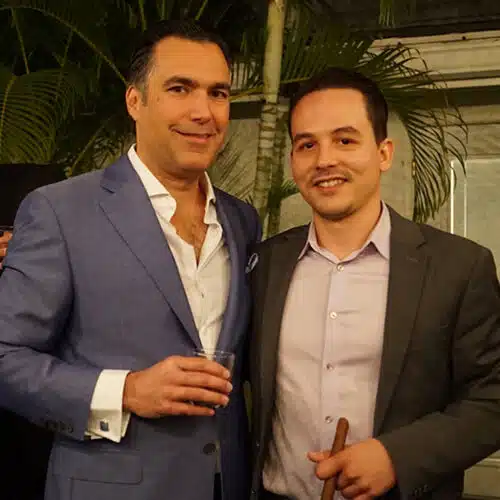
Jorge Argota spent 10 years inside a law firm, beginning on the intake line and later managing marketing. Marketing should be judged by signed cases, not calls. Intake should be judged by what happens to qualified opportunities, not excuses. The audit puts both sides in the same written record.
When a firm does not know what happened after a lead came in, marketing says the leads were mishandled and intake says the leads were poor quality. This audit creates a shared record: what marketing generated, how intake responded, what follow up occurred, and whether the opportunity signed.
law firms served, primarily personal injury and criminal defense practices
in law firm intake, before moving into legal marketing
You do not need another marketing report that counts clicks and form fills without explaining the outcome. Over 30 days we review your marketing generated leads and intake handling side by side, then deliver a written diagnosis of the highest impact problem to fix first.
The audit window
Weekly, not monthlyLogs land while the month is still fixable
Your rubricQualified is defined by your managing partner
Day 30The highest impact problem, named in writing
Possibly. A disciplined internal team can keep an intake log, record lead sources, review calls, and report outcomes consistently. The question is whether that is happening now, and whether a partner can see the evidence without reconstructing it by hand.
| Capability | The audit | Typical front desk process |
|---|---|---|
| Calls reviewed against a consistent rubric | Yes | Varies with workload and staffing on the day. |
| Lead source documented with each viable inquiry | Yes | No |
| Partner readable written reporting | Yes | Usually verbal, rarely written down. |
| Connected to marketing outcomes | Yes | No |
| Lowest direct cost | No | Yes |
 Ten years on the intake line
Scored call by call
Jorge Argota · Founder & CEO
Ten years on the intake line
Scored call by call
Jorge Argota · Founder & CEO
Jorge Argota spent 10 years at a Miami medical malpractice firm, beginning in intake and later moving into marketing leadership. He saw the same issue from both sides: marketing can generate demand, but firms lose cases when calls are missed, leads are poorly documented, follow up fails, or nobody can connect the outcome back to the source.
Read Jorge’s storyServing personal injury and criminal law firms across the U.S.
Spent over 20 years in digital advertising
Average Google rating, 25 verified reviews




5.0 on Google25 verified reviews
In a discovery call we map your current process: how calls are answered, how leads are qualified, where outcomes are recorded, and whether marketing sources can be tied to signed cases. You leave with a clearer view of what to investigate first, whether or not you move forward with the audit.