
SEO for criminal defense lawyers.
Statute hubs, metro pages, and bilingual content designed to compound across English and Miami Spanish queries.
Long tail capture
The Florida criminal defense practice inside Argota Marketing, a national law firm marketing agency built for federal and serious felony firms. SEO, Google Ads, Local Service Ads, AI Overviews optimization, and bilingual intake across Miami, Tampa, Orlando, Jacksonville, Fort Lauderdale, and West Palm Beach. Related work includes personal injury marketing and mass tort marketing.
Criminal defense marketing in Florida operates inside tight constraints: Florida Bar advertising rules, bilingual market reality, federal docket geography, and exclusive territory math. Argota Marketing is a national agency capped at 50 firms, and every Florida criminal defense engagement follows the six rules below.
Full stack marketing for Florida criminal defense firms. Everything below runs under one engagement tied to signed retainer math, not form fills.
Statute hubs, metro pages, and bilingual content designed to compound across English and Miami Spanish queries.
Long tail captureCharge specific campaigns, federal vs state segmentation, and Spanish negatives built from Florida criminal ad data.
Intake driverProfile structure, category strategy, verification support, and intake wiring built for high stakes calls.
Pay per leadMeta, TikTok, YouTube. Bond hearing and ICE detainer educational content in both languages, with Rule 4-7 compliant disclaimers on every variant.
Family reach driverVisibility inside AI Overviews and chatbot answers, structured around named entities and statute cluster hub pages in both languages.
Compounds over timeSpanish first routing, SMS follow up in the caller’s language, attorney brief to your phone before the callback. The real differentiator.
Nights + weekendsReviews, listings, trust signals. Bar compliant generation timed to peak satisfaction moments, not generic blasts.
Trust layerCost per signed retainer by charge cluster and language of intake. Pulled through Google Click ID into Clio or MyCase, not estimated.
Signed case mathBilingual review checkpoints on every ad version, audit ready logs retained for the engagement, copies on request.
Built in, not bolted onCriminal defense marketing only works when the case mix, retainer size, and intake capacity all line up. The fit filter below is honest: if your practice doesn’t match the good fit profile, the engagement doesn’t start.
If an agency is translating English ads into Spanish and calling that “bilingual,” they’re spending on the wrong signal to the wrong decision maker. The Spanish dominant buyer often isn’t looking for the same assurance as the English buyer. The message has to be built in Spanish from the start.
Families searching for criminal defense lawyers in 2026 aren’t using only Google. They’re asking ChatGPT, Perplexity, Claude, and Google AI Overviews who the right lawyer is for a specific charge in a specific Florida city. The firms that show up are the ones whose content is structured for extraction, cited as entities, and covered in both English and Spanish for Miami-Dade queries.
These are real “answer engine” queries your prospects are already typing.
Firm plus attorney names treated as entities so AI systems can cite you cleanly.
Short, direct Q and A blocks for major charges so AI engines have citable answers.
Native Spanish written for the Miami register, not translated English.
Hub pages per statute or charge with penalties, timelines, and defense patterns structured for extraction.
These are illustrative market ranges, not guaranteed pricing. Costs move with competitor behavior and LSA auction changes. Spanish ranges can be cheaper in Miami because much of the auction is still English heavy. Your true cost per signed retainer depends on case mix, language split, and how fast your intake operates.
Methodology. Ranges synthesized from active Florida criminal defense campaign data and public legal marketing benchmarks. Verified quarterly. Your cost per signed retainer will vary by case type, metro, intake speed, and Spanish market share. Past ranges are not a guarantee of future economics.
Pricing covers the management and creative layer only, separate from ad spend. Ranges are starting points scoped to your case mix, language split, and metro footprint during discovery. If the math doesn’t work for your retainers, the engagement doesn’t start.
One metro plus one cluster to validate signed retainer economics before scaling.
Add clusters, expand creative, deepen AEO and SEO footprint across one to three Florida metros.
Multi metro, multi cluster, bilingual first system with reporting and intake operations.
These are the questions that come up on every discovery call, in roughly the order they get asked. Exclusivity, pricing, Spanish market mechanics, after hours intake, Rule 4-7 compliance, and what happens when the metro is already saturated.
Two layers: (1) a monthly management fee, typically in approximate ranges of $6,000 to $30,000+ depending on scope, and (2) ad spend that runs separately inside your firm’s own ad accounts. Many Florida criminal defense firms on this system run roughly $10,000 to $60,000 per month in ad spend plus management (all scoped during discovery).
The math only works when cost per signed retainer produces positive return against your average retainer size, so the first call starts with case mix and retainer ranges.
Yes. The rule is one firm per practice area per metro nationally, with a total roster capped at 50 firms. For Florida criminal defense, that means one firm per Florida metro per case type cluster. If a Miami federal drug engagement is already active, I will not take a second Miami federal drug client.
Multi metro engagements expand metro by metro, and conflicts are confirmed in writing before any retainer is sent.
Yes, written in Spanish from scratch by Miami Spanish copywriters with legal industry experience. Not Google translated from English and not published unreviewed.
Native speakers can spot translated copy immediately, and bad Spanish can convert worse than no Spanish because it signals the firm did not take the client seriously. The difference shows up in phrasing, register, and how confianza is communicated.
For federal and serious felony work, yes. Arrests skew nights and weekends, and the bond hearing window is often 24 to 48 hours. If your intake is business hours only, you can still run ads, but you will lose the best cases to the firm that answers at 11 PM.
The system includes live bilingual pickup plus automated SMS in the caller’s language within seconds if a call is missed, so the attorney brief is ready before you call back.
Federal drug trafficking, federal wire fraud, federal healthcare fraud, 10-20-Life firearm cases, federal RICO, serious violent felonies, and the healthcare fraud subset that is especially strong in Miami. DUI, misdemeanor, and traffic volume work are outside the fit filter.
If you want a case type not listed, the first step is a math check on retainer size and keyword cost.
Typical launch is 3 to 4 weeks from signed engagement to live ads, depending on how clean your tech stack is and how much Spanish creative must be built from scratch. That window covers account setup, bilingual landing pages, Rule 4-7 review in both languages, intake workflow integration, and call tracking.
Yes. Intake can integrate with Clio, MyCase, Lawmatics, and most common systems. If you already have 24/7 bilingual intake, calls route directly with context attached. If you only cover business hours, the after hours layer handles nights and weekends so calls do not die in voicemail.
Signed retainers, through your own ad accounts and your own CMS. This is built around the click to retainer flow (including e sign delivery), not a handoff of a name as a lead.
Sign rate still depends on case mix, attorney availability for the first call, and conflicts, so reporting centers on signed retainers, not inflated lead counts.
You will know before any money moves. If Miami-Dade federal drug is already exclusive, I will not onboard a second Miami-Dade federal drug firm. There may still be room for a different metro or a different case type cluster.
Ask for the exact metro plus cluster combination and you will get a clear answer quickly.
Four tactics: entity focused content (firm and attorneys as named entities), FAQ schema per charge (clean answer blocks), bilingual Q and A written natively in Spanish for Miami queries, and statute cluster hub pages with penalties, timelines, and defense patterns structured for extraction.
The realistic goal is meaningful visibility over 6 to 12 months, not “be the only answer,” which nobody honest can promise.
Florida is among the most competitive markets in the country for federal drug, wire fraud, and serious violent felonies, comparable to New York, Los Angeles, Chicago, and DC. Miami healthcare fraud can run even higher on CPC because SDFL leads in healthcare fraud indictments.
Practical takeaway: serious felony work in Florida requires big market strategy and budgets.
For a pilot in one metro targeting one cluster, approximate ranges of $15,000 to $25,000 per month total (management plus ad spend) often produce measurable results. For multi cluster, bilingual, multi metro, $35,000 to $80,000 per month total is closer to working range.
Exact numbers depend on case mix, Spanish share, and current saturation. If it cannot produce positive return against your retainers, the engagement does not start.
Rule 4-7 review checkpoints on every ad and landing page in English and Spanish, documented approval workflows with timestamps, and review logs retained for the engagement. Firms keep final responsibility for legal review under the Rules of Professional Conduct.
The review flags outcome guarantees, mugshot reuse, victory photo patterns, and comparative claims before anything goes live.
If your firm handles federal or serious felony work and can support bilingual intake, start with a territory and case cluster check. If the math and inventory fit, we map a pilot.
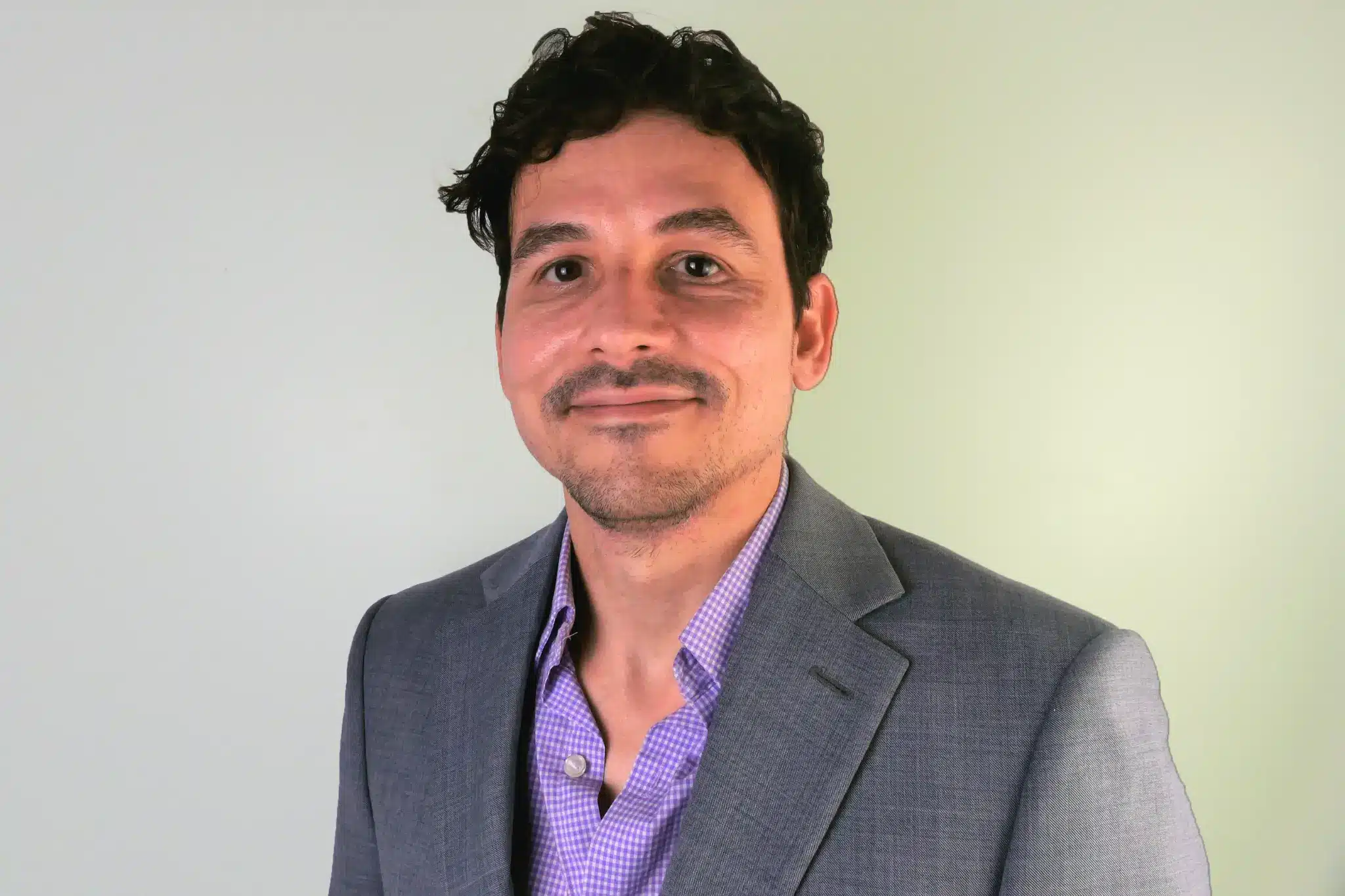
About Jorge Argota. Founder of Argota Marketing, a national law firm marketing agency with a roster capped at 50 firms and one firm per practice area per metro. 10 years running bilingual paid media and intake systems for Florida law firms across criminal defense, personal injury, medical malpractice, and mass tort. Built the marketing operation at Percy Martinez P.A. from a $500 budget to a multi city presence outranking Morgan & Morgan in Hialeah Local Service Ads. Developed intake systems where the Spanish line picks up as fast as the English line, because in Miami the first call is often in Spanish. Google Partner certified, University of Miami BBA, bilingual English and Spanish. Read the full story.