
One Bad Review Shouldn’t Undo Years of Good Work
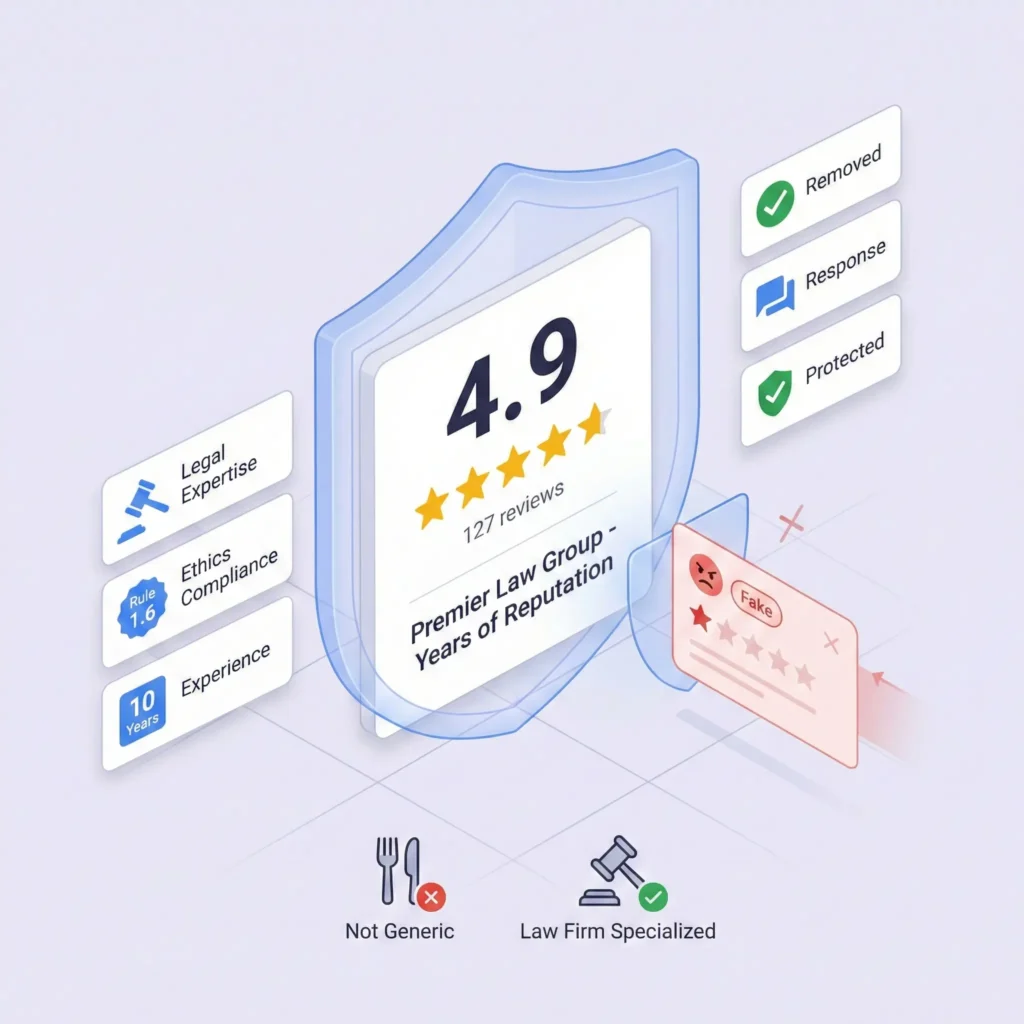
I spent 10 years inside a law firm watching reviews affect intake in real time. I’ve helped remove fake reviews, built review profiles from scratch, and learned how to respond without violating Rule 1.6. Most reputation agencies treat law firms like restaurants; that’s why they get attorneys in trouble.

★★★★★
Rated 5 Stars on Google
10
Years Legal Experince
40k+
Reviews (Percy Martinez)
83%
Conversion Lift
2k+
Pages Ranked
What Reviews Actually Cost You
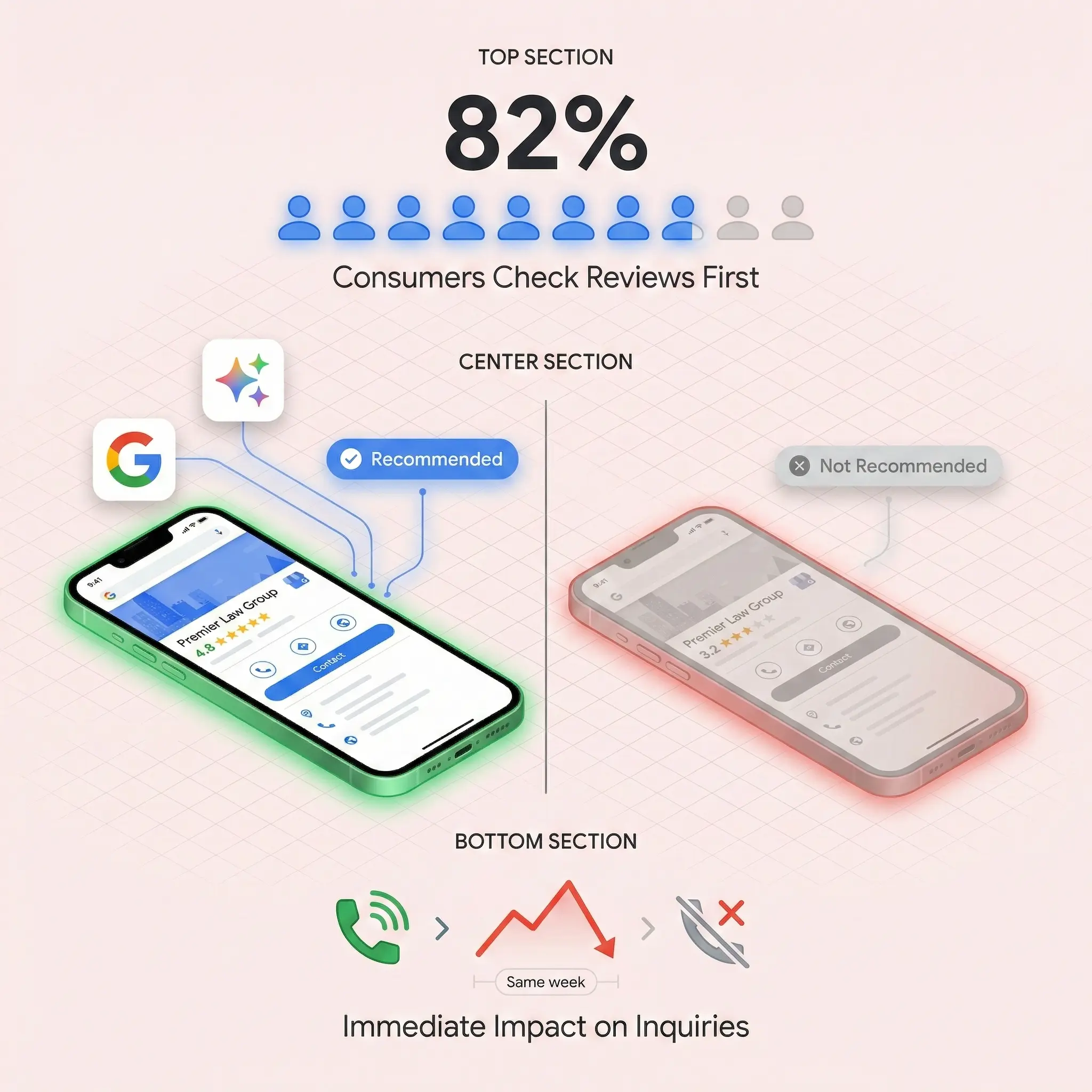
Eighty two percent of people looking for a lawyer check reviews before they call; most won’t consider firms below four stars. Google’s AI Overviews and ChatGPT now pull review data when recommending attorneys. A weak review profile doesn’t just cost you Google traffic anymore; it makes you invisible to AI search entirely.

I’ve watched a three star review come in and seen intake numbers drop that same week. The damage is real, it’s measurable, and most firms don’t realize it’s happening until they audit their numbers.
What This Looks Like
Percy Martinez, P.A.
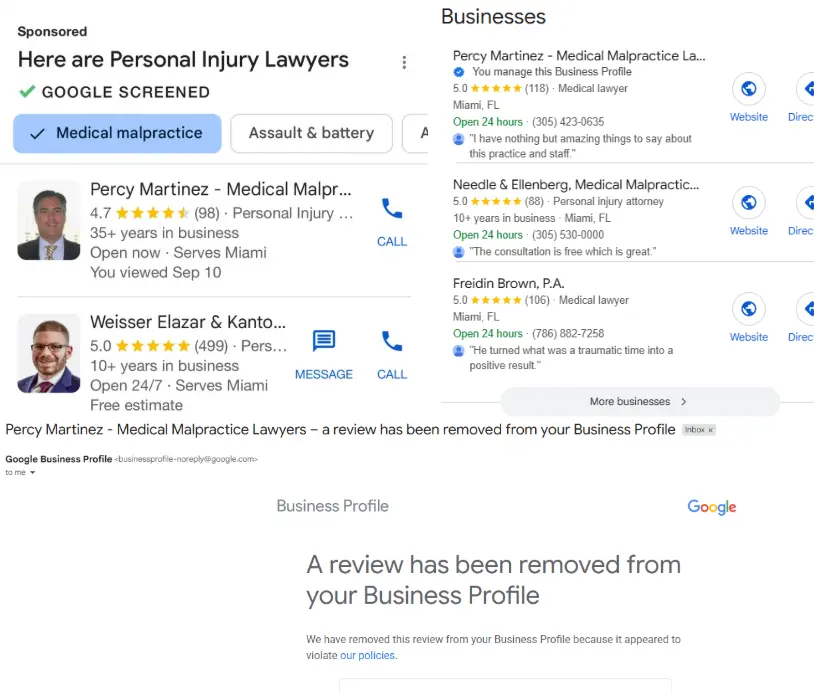
Where we were: 4.7 stars with 98 reviews. Where we are now: 5.0 stars with 118 reviews. First in Google Screened for medical malpractice. First in the Map Pack for Miami. That’s 20 new five-star reviews and a rating jump from 4.7 to 5.0; built one satisfied client at a time over years of consistent work.
Jorge Flores, P.A.
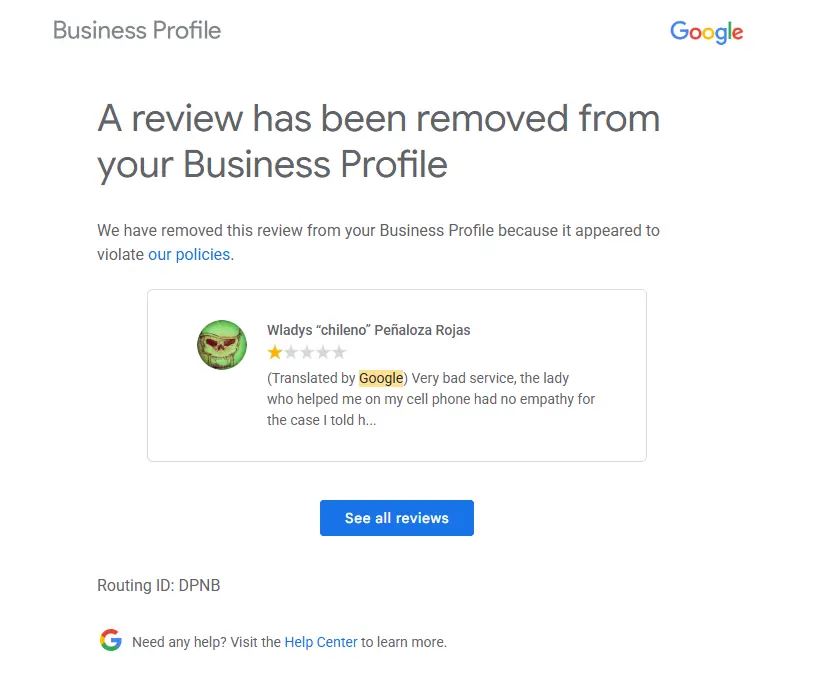
A one star review accused the firm of “no empathy”; but the reviewer had never been a client. We documented the policy violation, flagged it through Google’s process, and Google removed it for violating their policies.
What Platforms Will and Won’t Remove
Google, Avvo, Yelp, Lawyers.com; each platform has different policies. But they all share one thing: they don’t remove reviews just because they’re negative or unfair.
Typically Removable:
Reviews from non clients (provable). Competitor or employee reviews with documented conflicts. Policy violations: threats, harassment, hate speech, personal information. Spam, fake accounts, or incentivized reviews.
Typically Not Removable:
Negative opinions from real clients; even harsh ones. Low ratings without policy violations. Criticism of fees, communication, or outcomes. Factual disputes where the platform can’t verify who’s right. I’ll tell you on the first call which of your reviews have a realistic shot at removal and which ones we need to address differently.
Platform Specific Strategies
Avvo
Martindale
Yelp
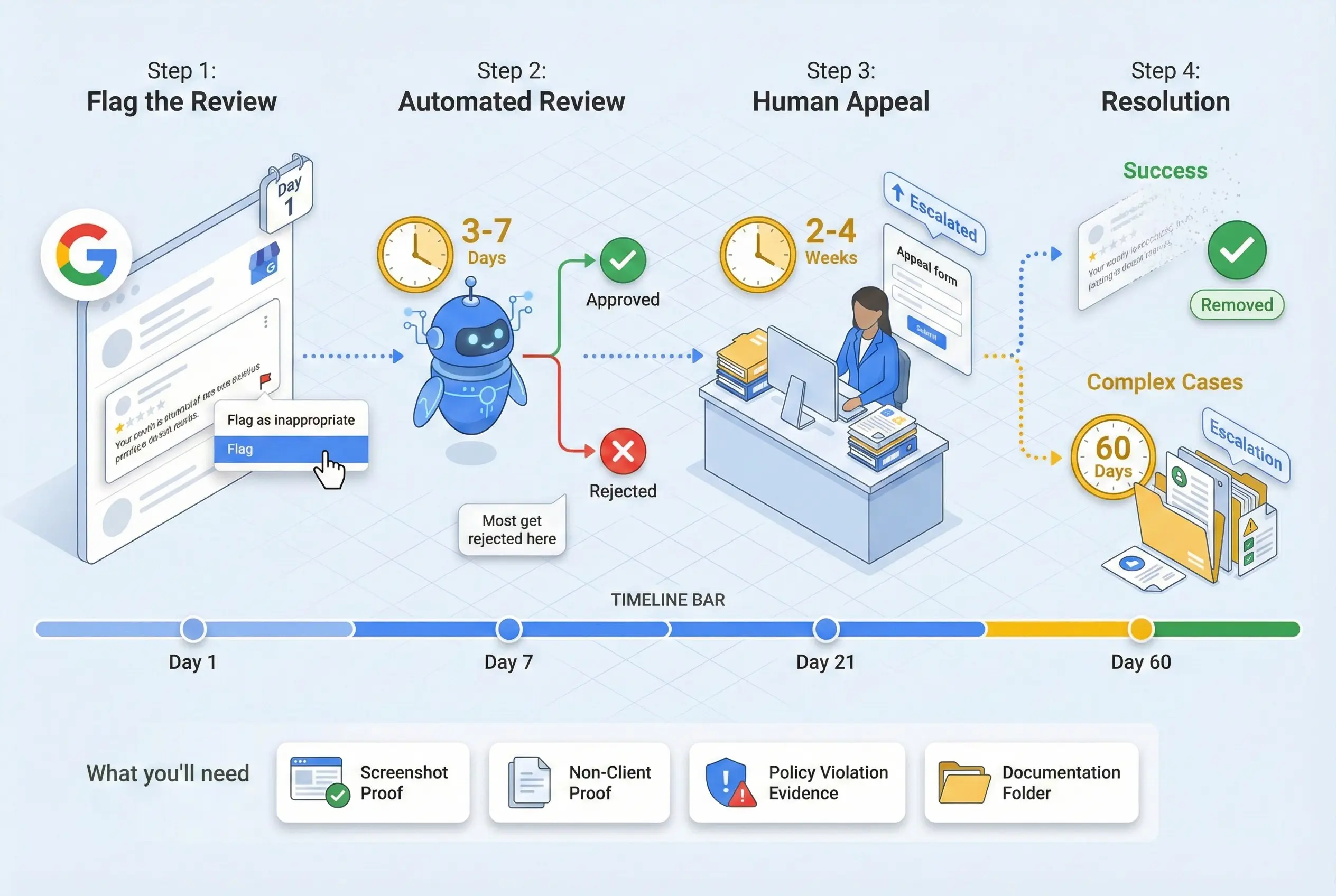
Flag through Google Business Profile. Initial review takes 3-7 days. Most first attempts get rejected by the automated system; appeals go to human reviewers and take 2-4 additional weeks. Complex cases requiring escalation can hit 60 days. Documentation matters: screenshots, proof of non client status, evidence of policy violation.
Avvo
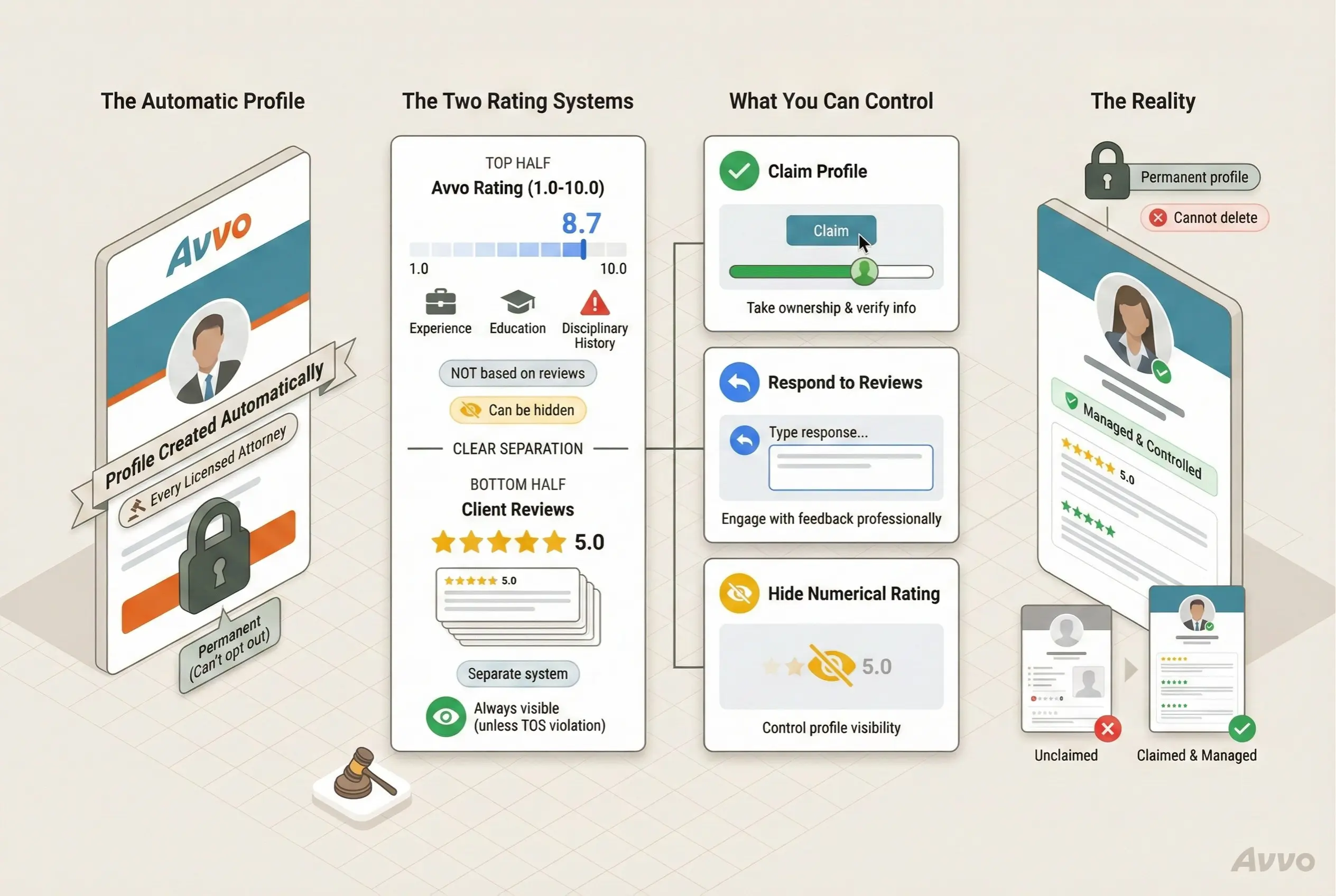
Avvo creates profiles for every licensed attorney; you can’t opt out. Your 1.0-10.0 rating comes from experience and disciplinary history, not reviews. Client reviews are separate and stay visible unless they violate terms. You can claim your profile, respond to reviews, and hide your numerical rating, but the profile itself is permanent.
Lawyers.com / Martindale
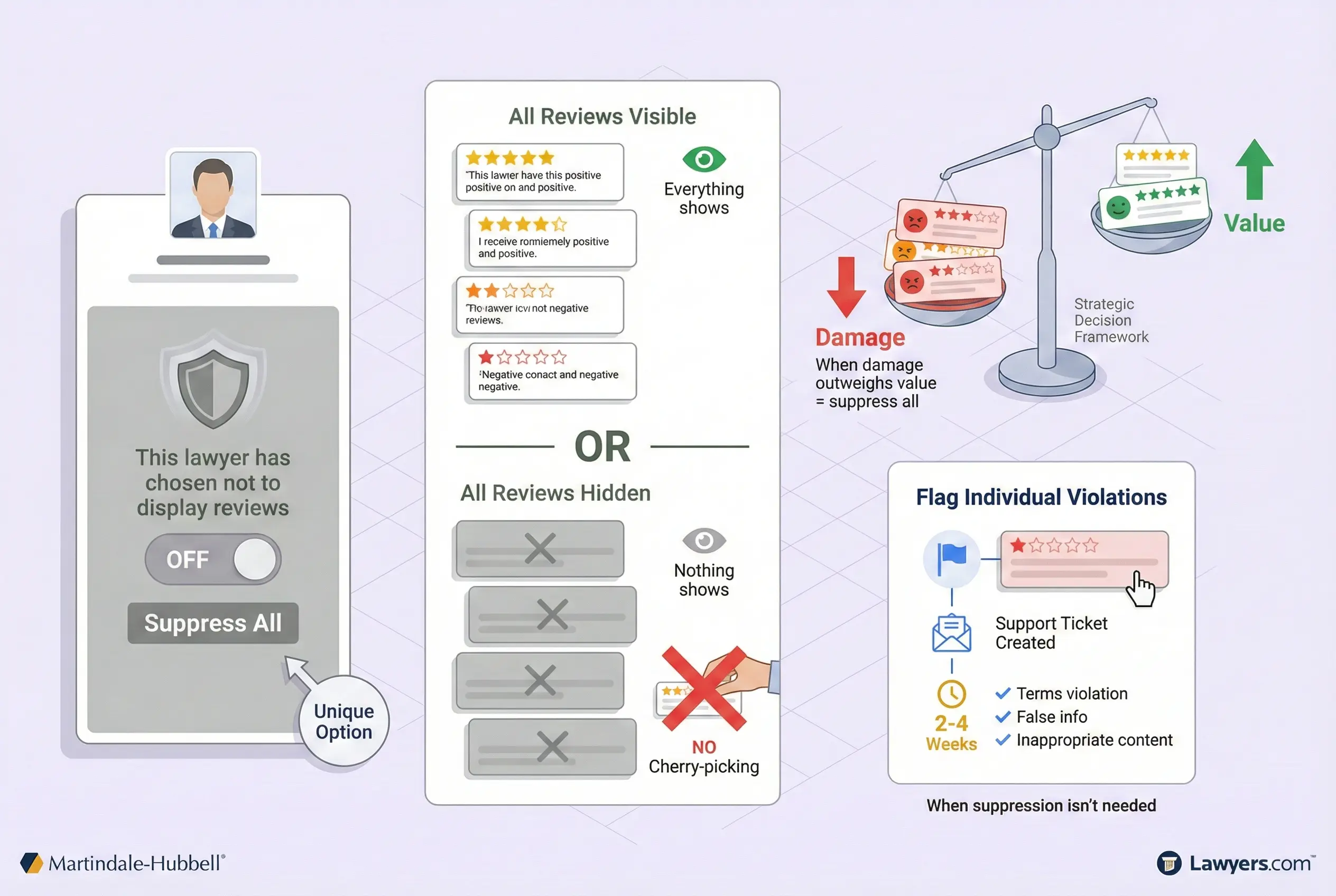
Nuclear option that doesn’t exist elsewhere: suppress ALL client reviews entirely. Your profile shows “This lawyer has chosen not to display reviews.” It’s all-or-nothing; you can’t cherry-pick which reviews show. Makes sense when damage outweighs the value of positive reviews. Otherwise, flag individual violations through their support system; 2-4 week response time.
Yelp
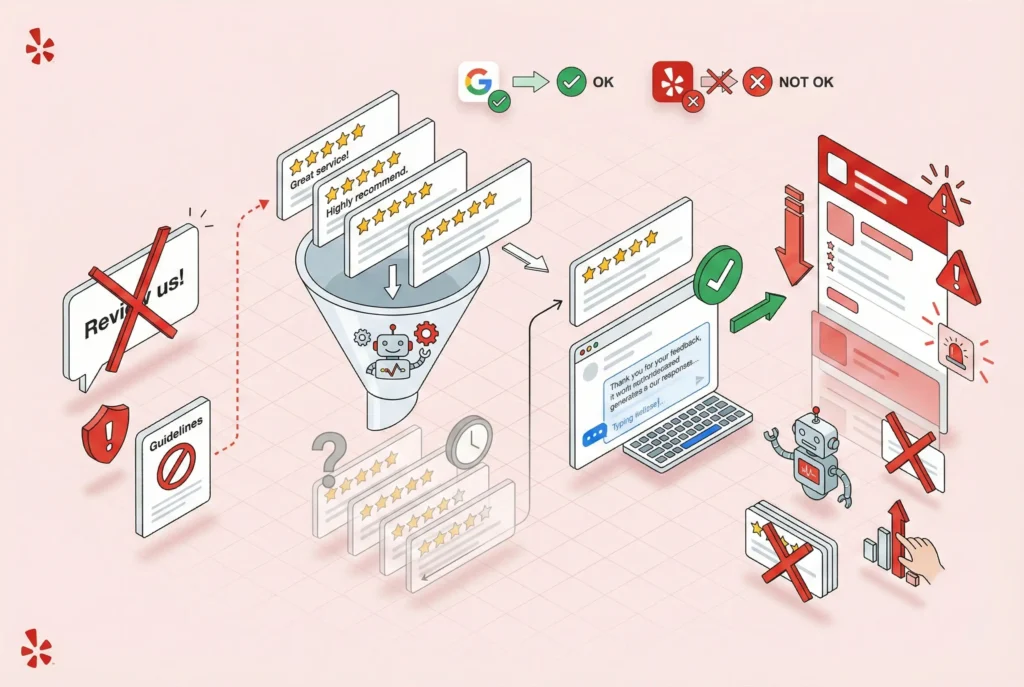
Different beast. Yelp explicitly discourages asking for reviews; it’s in their guidelines. Their algorithm filters “suspicious” reviews, sometimes hiding legitimate five-stars from real clients. Focus on professional responses to visible reviews rather than trying to game the system. Yelp penalizes businesses that appear to manipulate reviews.
Responding and Generating Reviews
(Without Bar Violations)
The Rule 1.6 Problem
Safe Response Template

The Rule 7.2(b) Problem
What Actually Works
The Rule 1.6 Problem
The moment you confirm someone was a client; or reveal anything about their case; you’ve potentially violated confidentiality. Their public disclosure doesn’t waive your obligation. You cannot confirm representation without consent, even in response to an attack.
Safe Response Template
“Thank you for your feedback. Our firm takes all concerns seriously and strives to provide excellent service. Please contact our office directly to discuss.” Boring, but it protects you while showing professionalism.
The Rule 7.2(b) Problem
You can ask for reviews. You cannot compensate for them; no discounts, no gift cards, no fee reductions. The review must be voluntary and uncompensated. Some states like Florida have additional restrictions.
What Actually Works
Timing matters more than tactics. Ask right after favorable outcomes when clients are relieved and grateful. A simple email with a direct link to your Google profile works better than any automated system. Percy’s 98 reviews came one satisfied client at a time — no shortcuts, no ethics complaints.
What I Do
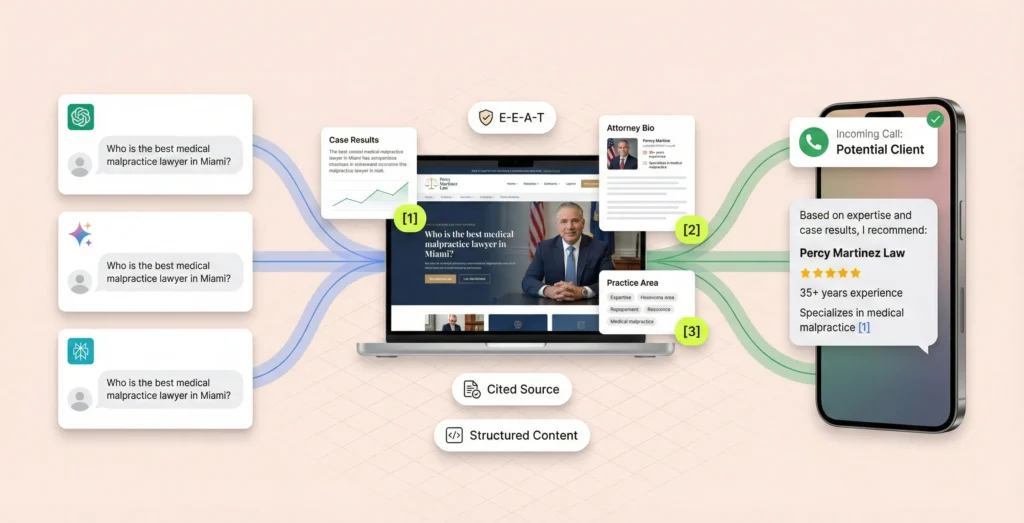
Review Audit
I pull your profiles from Google, Avvo, Lawyers.com, Martindale-Hubbell, Yelp, and FindLaw. You get a realistic assessment: which reviews may qualify for removal based on policy violations, which need responses, and what we’re working around.
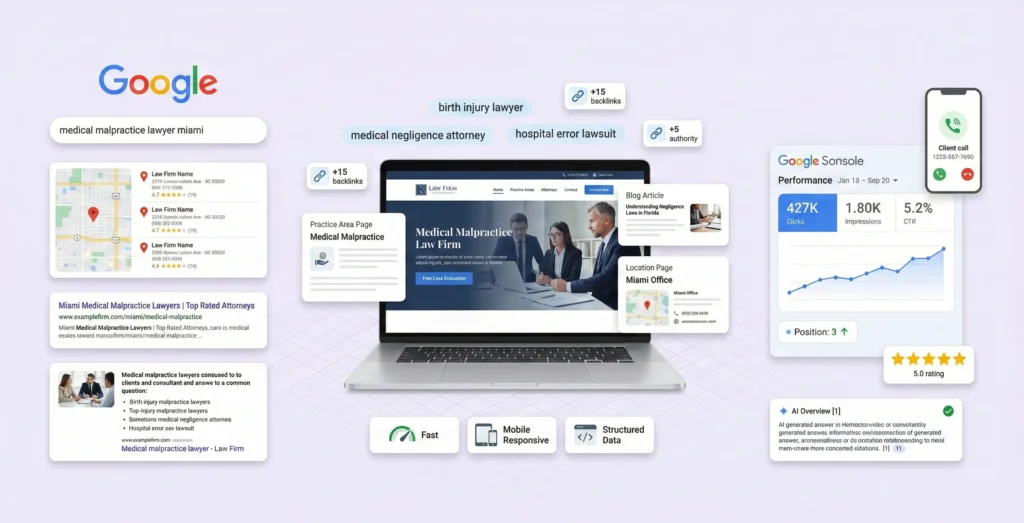
Removal Requests
For reviews that appear to violate platform policies, I handle documentation, submission, and escalation through proper channels. Platforms make final decision; I can’t guarantee any specific outcome. If a flagged review stays up, you don’t pay for that attempt.
Response Drafting
I draft responses designed to protect Rule 1.6 confidentiality while showing professionalism. You approve everything before it goes live. Every response avoids confirming representation or revealing case details.
Review Generation
I set up a system to request reviews from satisfied clients at the right moment; no incentives, no pressure, fully compliant with bar rules. Consistent asking that builds your profile over months, not overnight tricks.
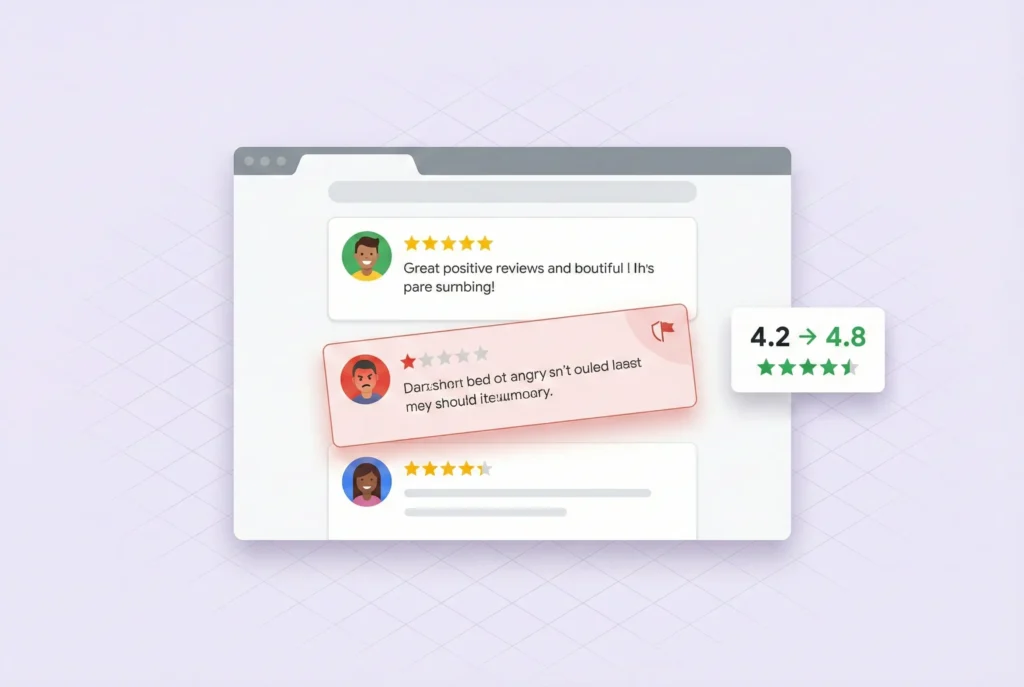
Ongoing Monitoring
I watch your profiles across platforms and alert you when new reviews appear. Fast professional responses often matter more than the review itself.
This Isn’t for Everyone
Works For:
Firms with reviews actively costing cases; or profiles too thin for potential clients to trust. Attorneys who understand this is ongoing work measured in months, not days. Firms willing to consistently ask satisfied clients for reviews.
Not For:
If your only issue is one or two negatives from real clients with legitimate complaints; those typically can’t be removed. If you need results this week; building a review profile takes consistent effort over time. If you want fake reviews; the FTC now fines up to $51,744 per violation and bar associations are watching.

10 years of legal marketing experience
Jorge Argota
Ten years with one law firm: Percy Martinez, P.A. I worked as a paralegal; went to court, handled intake, sat with patients in hospital beds. I watched reviews affect whether the phone rang. That’s not something you learn at an agency.

We do not take competitors in the same practice area in the same county. If we work together, they can’t hire me.
— Argota Marketing
Questions We Get Asked
Can you guarantee removal of negative reviews?
No. Platforms make final decisions on what violates their policies. I can identify which reviews appear to violate terms, document the issues properly, and submit through the right channels; but I can’t control outcomes. I’ll tell you upfront which reviews have realistic removal potential.
How long does removal take?
Google: 3-7 days for initial review, 2-4 weeks for appeals, up to 60 days for complex escalations. Avvo and Martindale: typically 2-4 weeks. These are platform timelines, not mine.
Is asking for reviews ethical?
Yes; asking is fine. Compensating is not. ABA Rule 7.2(b) prohibits giving anything of value for testimonials. A simple request to satisfied clients after case resolution is perfectly acceptable. Check your state’s specific rules.
How do I respond without violating confidentiality?
Never confirm someone was a client. Never reference case details. Use neutral language: “Thank you for your feedback. Please contact our office to discuss.” Your ethical obligation survives their public disclosure.
What if someone threatens a bad review for a refund?
Document the threat. Don’t negotiate based on it. If they follow through, retaliatory reviews often violate platform policies. These can be among the easier removals when properly documented.
What about Avvo, can I remove my profile?
No. Avvo profiles exist for all licensed attorneys and can’t be deleted. You can claim it, manage information, respond to reviews, and hide your numerical rating; but the profile stays.
What does this cost?
Removal attempts are billed per success; if it stays up, you don’t pay for that one. Monthly management is a retainer covering monitoring, responses, and review generation systems. I’ll give you exact numbers once I see your current situation.
See Where You Stand in AI Search
Most firms have never audited their reviews across all the platforms that matter. I’ll show you which reviews may qualify for removal, which need responses, and what it would take to build the profile you should have.
No contracts. No obligation. Just clarity.